
When Your Illness Has a History: Medical Gaslighting, Invisible Illness, and Why You're Not Imagining It
A conversation with Emily Mendenhall PhD, medical anthropologist and author of Invisible Illness: A History from Hysteria to Long COVID
If you've ever left a doctor's office feeling more confused, more dismissed, or more hopeless than when you walked in, this one is for you.
I sat down with Emily Mendenhall, a Guggenheim Fellow, professor at Georgetown University, and medical anthropologist who has spent two decades studying how trauma, culture, and chronic illness collide. Her latest book, Invisible Illness: A History from Hysteria to Long COVID, is one of those reads that will probably have you feeling simultaneously furious and finally understood.
We talked about the long history behind medical gaslighting, why so many patients are still being dismissed today, and a concept called structural silencing — which I think might be the most important framework I've encountered for understanding why this keeps happening.
It's Not New. It's History.
One of the things that hit me hardest in this conversation was the reminder that none of this is new. The dismissal of women's pain, the labeling of unexplained symptoms as "hysterical" or "emotional" — this goes back centuries. Literally. Emily traces it all the way back to Egyptian scrolls that described women's illness as a problem of the womb.
The term hysteria has been retired, but the pattern is still very much alive.
Today it shows up as:
Being told your labs are normal so there's nothing wrong
Getting a referral to therapy framed as "this is all in your head"
Spending years chasing a diagnosis that doctors say doesn't exist
Being told your symptoms are due to your weight, your hormones, your anxiety
Emily made a really important point about MS that stuck with me: once plaques in the brain became identifiable, the entire experience of having MS shifted. Patients were believed. Their condition became “real,” as if it wasn’t before the “proof” arrived. But for conditions where there isn't a clear, in-clinic biological marker, people are left in diagnostic limbo, often spending thousands of dollars out of pocket just to verify something their bodies have been telling them for years.
The Concept of Structural Silencing
Structural silencing, as Emily describes it, is not just about individual doctors being dismissive. It's a layered, systemic problem:
Time constraints: Clinicians are often seeing 30-40 (sometimes more!) patients a day. They don't have time to sit with complexity.
Training gaps: Most doctors have little to no education on complex chronic conditions, especially how they present in women, and especially when there are multiple illnesses effecting multiple body systems
Cultural disbelief: There's a deep, embedded cultural tendency not to believe women's pain, especially when it doesn't show up on a test.
It's not just structural inequality. It's structural silence. The system fails people with complex chronic illness every day, and it actively mutes them.
And for Black women, that silence is amplified. Emily was clear that anti-Blackness in medicine runs deep, and that marginalized identities add to the experience of dismissal and compound it in ways that are both measurable and devastating.
Why People Cling to a Biological Answer (And Why That Makes Complete Sense)
There was a moment in our conversation where Emily talked about the backlash she's received for not taking an explicitly biological stance in her book. People with ME/CFS and long COVID have been frustrated, even angry.
And honestly? I get it.
When you've been told over and over again that your symptoms are psychosomatic, emotional, or just completely made up, the biological answer feels like salvation. It feels like proof. It feels like finally being believed.
Emily said it really well: these patients aren't wrong to want that answer. They're suffering, and they deserve research urgency, not more ambiguity. The frustration is the completely predictable result of being gaslit for years by the very systems meant to help you.
But here's the complexity she introduces: chronic illness, especially conditions like long COVID and ME/CFS, is not one thing. It's a constellation. Many people she interviewed had a primary diagnosis and fibromyalgia, Sjögren's, EDS, MCAS — layered conditions that can't be reduced to a single biological root cause or fix.
She uses the concept of thresholds to explain why two people with similar genetics can have completely different outcomes. It's the tipping point — the accumulation of viruses, environmental exposures, trauma, stress — that transforms vulnerability into illness.
Our bodies are systems, not machines. And medicine, built around fixing one part at a time, was never designed with that in mind.

Class, Access, and the Brutal Math of Chronic Illness
Getting better — or even getting believed — is often a class issue. Who has the resources to:
See specialist after specialist
Pay out of pocket for testing insurance won't cover
Take unpaid time off to attend appointments
Access quality mental health support alongside medical care
Emily talked about the book Crowded Out, which looks at GoFundMe as a reflection of our broken healthcare system. The people most likely to raise significant funds are the ones who already have financial and social networks to draw from. The people who need it most are often the least likely to get it.
She also spoke about a woman she interviewed who was living with her father, unable to work due to cognitive loss from her illness, being told by a lawyer that she'd have a better chance at disability benefits if she were homeless.
That is not a failure of one person, but years of bias and outright prejudice making its way into the oppression of people who are sick.
So What Does Therapy Have to Do With Any of This?
A lot, actually… and not in the way you might think.
When doctors hand you a therapy referral after dismissing your symptoms, it reads as: this is in your head, go deal with it. I started this podcast four years ago in part because of that exact framing. Because therapy can be an incredibly powerful tool for people with chronic illness — but not because it's going to cure you. Because living with chronic illness is genuinely hard, and you deserve support while you do it.
Emily said something that really landed: people who have "recovered" from long COVID often aren't back to their old baseline. They're at a new baseline. A different life. And navigating that shift — the grief, the identity loss, the social reconfiguration — that's exactly the work therapy can hold.
It's not about fixing the illness. It's about not having to carry it alone.
What You Can Do With This
Emily's book isn't a how-to guide, and this episode isn't a protocol. But there are things worth sitting with:
Your experience has a history. What's happening to you is not random or personal. It's part of a long pattern that researchers are finally documenting.
Advocacy starts local. Emily and I discussed watching local politics closely — Medicaid expansion, local representation, community organizing. The big picture changes when the small picture shifts.
Trusted sources matter more than ever. We're in a moment where science is being actively weaponized. Finding people and spaces that communicate evidence clearly and honestly is a form of communal protection.
And if you've ever felt like the medical system wasn't built for you — you weren't wrong. But you also aren't without options, and you aren't alone.
Disclaimer: Everything we discuss here is just meant to be general education and information. It's not intended as personal mental health or medical advice. If you have any questions related to your unique circumstances, please contact a licensed therapist or medical professional in your state of residence.
Destiny Davis, LPC CRC, is solely responsible for the content of this article. The views expressed herein may or may not necessarily reflect the opinions of the guest.
The content in this blog post comes directly from a real, human interview between Destiny and her guest on The Chronic Illness Therapist Podcast. This written version was formatted using AI. Listen to the full episode to hear the actual conversation.
Listen to my full conversation with Emily Mendenhall on Ep 125: When Your Illness Has a History: Medical Gaslighting, Invisible Illness, and Why You're Not Imagining It
-
Episode transcribed with AI and may contain errors that are not representative of the actual word or meaning of the sentence.
Destiny Davis LPC CRC: Today I am sitting down with Dr. Emily Mendenhall, a medical anthropologist, Guggenheim Fellow and professor at Georgetown University, who has spent two decades studying how trauma culture and chronic illness intersect. She's the author of six books and her Latest Invisible Illness, A History from Hysteria to Long COVID is one that I think you all are really gonna connect with.
We get into the long history of medical gaslighting, why patients are still being dismissed today, the concept of structural silencing and why understanding chronic illness means looking at far more than just biology. This is one of those conversations that we'll probably have you nodding along and maybe hopefully feeling a little less alone.
So let's get into it.
The Chronic Illness Therapist Podcast is meant to be a place where people with chronic illnesses can come to feel, heard, seen, and safe. While listening to mental health therapists and other medical professionals talk about the realities of treating difficult conditions, this might be a new concept for you, one in which you never have to worry about someone inferring that it's all in your head.
We dive deep into the human side of [00:01:00] treating complex medical conditions and help you find professionals that leave you feeling hopeful for the future. I hope you love what you learned here, and please consider leaving a review or sharing this podcast with someone you love. This podcast is meant for educational purposes only.
For specific questions related to your unique circumstances, please contact a licensed medical professional in your state of resident.
Destiny Davis LPC CRC: Emily I'm so excited to have you here talking about medical gaslighting is is really why this podcast came to be So I'm really looking forward to hearing about your new book and um also just what drew you to this work I'm sure you've been asked that a million times but I would love to also let our listeners know who you are personally and professionally
Emily Mendenhall: Yeah. Thank you. Um, it's such [00:02:00] a delight to be here and I'm, um, looking forward to connecting and, and sharing this work with your community. Um, I am a medical anthropologist, so I study how health culture and society interact and for about two decades I've been studying how trauma and chronic illness become embodied.
So looking, I was working, I'd studied public health and worked in Zambia and Guatemala, and I was really interested in working in the us. So, um, I got a job at Cook County Hospital in 2006 and started working, um, with Mexican immigrant women seeking care for diabetes. And I ended up working there for four years while I was also doing my PhD in anthropology.
And as I started working on kind of issues of health and immigration and asking women about their diabetes. Really what they wanted to talk about was kind of social trauma and, and distress and, um, financial insecurity, like all the squishy stuff that didn't have to do with the biology, but was like deeply embedded in their biological experience.[00:03:00]
So I became really interested in this work and in spending time with this community. So I worked at, I ended up working at the, at the hospital for about five years while I was doing my PhD. And then I was recruited, um, to do an NIH postdoc and I worked for a year in Delhi, um, with the Public Health Foundation of India.
Looking at similar patterns of how, um, chronic illness was experienced across income groups. And this was one of the first ethnographies of what it was like living with diabetes, um, and, and, and in poverty in India. Um, which was a really fascinating experience. But I also felt, I was just very curious about how much was culture and how much was power.
You know, for also personal reasons, um, we moved to South Africa and I spent another post, I did another postdoc looking at the experience of living with diabetes in a context with really high HIV, um, in Soweto, a neighborhood in Johannesburg, so I, um.
Had been doing this work. And then I did another comparative piece in Kenya and then I did a little work in the Somali region of [00:04:00] Ethiopia looking at what it looks like to live with chronic illness across cultures. And I think it's really powerful to understand how deeply cultural and social living with chronic illness is and how we even think about illness is culturally constructed.
And um, I work on this concept called syndemics, how social and health conditions travel together and what that means. And that's something I worked on for a long time. So that is. A lot of my earlier work, and it's all really, the culmination is written, um, in a series of papers I edited in The Lancet and also a book called Rethinking Diabetes.
But as I was wrapping up some of that work in South Africa and after I'd done the comparative work in Kenya too, I worked in South Africa as honorary faculty at University of the Vitz. Vos ran for about 12 years, so I still kind of doing work there. Um, COVID hit hit and I had two small children. I was living in DC and everything was online, so we packed up our kids in the car and drove west and out to rural Iowa where my family lives.
My brother-in-law was leading the COVID pandemic response, um, in that local community. And we arrived in the middle of an outbreak and I [00:05:00] was like, what is happening? Because in Maryland we were, we had police outside of the grocery store, not letting us go in without a mask, but there no one was masking.
They were acting like there was no pandemic, you know? So it was very weird. And so for me, as someone who's, you know, good friends were working in global health security and like, you know, advising the Biden, or at that time not advising Trump, but they were advising the state Department and then eventually worked with Biden on the code response.
So these very high level people. So anyways, I, I, Dr. I rolled up my sleeves and started helping and doing interviews and trying to figure out what was happening. Um, and I got really passionate about it and I ended up writing a book called Unmasked. And this, um, unmasked COVID community in the case of Okoboji really drew me into just thinking about COVID in a very deep and cultural way.
Um, and then after I was writing the book, my student got, a student of mine, got really sick with long COVID, and during that time he was going to withdraw from school. But I said, you know what? Maybe you need to, but why don't you start writing down [00:06:00] a really deep. Kind of like narrative therapy, you know, um, or therapeutic journaling sort of.
Um, but why don't you just do an autoethnography, write down all your feelings, all your experiences when you go to the doctor, you know what that's like, you know, I mean, it's full of medical gaslighting. Like that is just like such a deep part of this experience of his journaling. And then when he started feeling a little better, he started doing all these interviews and we just got really interested.
And then I ended up applying for, uh, I was, I was myself very exhausted, and I actually got COVID about a year later and then had a, took me about six months to recover. Four months really, and six months to be kind of at a more normal, active level. Um, my anxiety went outta control. I became really fatigued.
Um, you know, and like I argue in the book, whatever underlying condition you have for me, I have an anxiety disorder. So it's not surprising. You know, some people do not have, um. Any mental health conditions linked to their condition, right? It's more physical, it's a heart condition, it's a respiratory condition, something else.
But for [00:07:00] me it was anxiety. Um, and so I became really interested, so I, I submitted for, um, to, uh, the Guggenheim Fellowship and I ended up getting it, which, which was just amazing because I had this time to really think, and I interviewed, did over 150 formal interviews and talked to hundreds of people, you know, as anthropologists do we dig in and peel across the layers.
And I was gonna write a book on long COVID, but. Um, I started doing these interviews and I was like, this, it's not just a, this isn't a story of long COVID. Long COVID is one part of the story. Um, you know, I have, I talk about chronic Lyme, I talk about endometriosis, I talk about, you know, um, all sorts of conditions, ME/CFS these long standing conditions and that, you know, I always also put the patient advocacy group stories within this long history and tradition of gaslighting and what it means and how patients have organized and collectively worked together.
Um.
Destiny Davis LPC CRC: Yeah
Emily Mendenhall: And yeah, it's, it was,
Destiny Davis LPC CRC: Yeah I I there was a like weird kind of experience [00:08:00] when long COVID first started being talked about Those of us who had contracted Lyme disease were
Emily Mendenhall: mm-hmm.
Destiny Davis LPC CRC: they're finally gonna believe in chronic Lyme And then honestly like Two months later I started to hear little murmurs of like no long COVID isn't a thing Chronic ly still isn't a thing Like and I remember just feeling so heartbroken I will say five six years later I'm like okay we do have long COVID clinics People do believe long COVID exists Gaslighting still of course exists but I've seen so much more hope in medical doctor
Emily Mendenhall: Yeah.
Destiny Davis LPC CRC: recently than ever before I'm curious yeah what you're seeing
Emily Mendenhall: Yeah. Yes. And you know, one, I, I wrote the book basically as an advocacy book to tell a story. And, and, and it's an intellectual book. It's a history, it's a deep history. But I felt by putting these, this kind of history of dismissing women and not believing pain, which obviously is amplified tenfold for black women in America.
There's so much anti-blackness and racism in medicine. But for all, [00:09:00] you know, all women have different kind of social identities that ebb into that interaction in the clinical space. And you know, I, I wrote the book as a historical piece because it's not just about your diagnosis and, you know, many people have multiple diagnoses.
They have a primary diagnosis, but they have many conditions. Um, it's really about that social experience in the clinic and what that means. And without recognizing that. You know, the social, and, and in some cases the psychological aspects. You know, you can't even understand the biology, you can't even get to the heart of the manner.
And, you know, I deeply believe that, um, you know, health and, and is, is a deeply social and psychological and biological. Um, so it's, it's really important to have a deep understanding. Um, of, of, of people's real experience. And one of the critical arguments of the book is that patients need to be respected and treated as knowledge partners.
And without that, especially when you have like a weird condition, you know, that no one,
Destiny Davis LPC CRC: Exactly
Emily Mendenhall: [00:10:00] your clinician has never studied, you know, or doesn't understand. And that's one of the challenges is so many people, I mean, people with endometriosis for example, have from like five to eight years. Um, an odyssey to have a diagnosis and that is just so painful.
So painful. So understanding these stories, I think, is, it just, it seemed like such a bigger story than just long COVID, even though long, long COVID is so much, you know.
Destiny Davis LPC CRC: exactly Yeah I um Yes that is it And and I think you know a lot of us um have been talking about that And especially again those of us who were diagnosed with something before COVID whether that was ME/CFS or um Lyme Disease and and things like that It really was a um what's the word I'm looking for It was like relieving or um it was just yeah To have the evidence right there Like it can't be like I said I did start to hear [00:11:00] people starting to like murmurs of starting to deny long COVID that that was a thing and then that didn't last too long thankfully So um now that's a lot of the work that I do with clients in session Um and I'm so glad there are books to go along along with this I mean my community always asks for books and I think this is yeah your work is really important I I hope you know how important your work is
Emily Mendenhall: Thank you. Yeah, I mean, it felt, I mean, you know how it is. I'm, I'm not a therapist, but I spend a lot of time with deep listening. It's actually what I love most about my job. I used to joke that, you know, I, I need to put hugging into my protocol, my research protocol, because. It's such a deeply shared emotional experience to spend hours with someone listening about their life story.
I, if it's one hour maybe, but you know, often it's much longer and so much follow up and multiple conversations and, um, I think it's really deeply, um, an honor to do that work. Um, and , it's meaningful.
Destiny Davis LPC CRC: little bit about that history I know your book your latest book invisible Illness a History from to Long COVID can you talk a little bit about that history of hysteria I I talk about it often but probably not nearly as much detail as as
Emily Mendenhall: Mm-hmm.
Destiny Davis LPC CRC: us today [00:12:00] but What are some
Emily Mendenhall: Yeah.
Destiny Davis LPC CRC: that still even happen today that used to be called hysteria that now is something still happening
Emily Mendenhall: Yeah.
Destiny Davis LPC CRC: looks different in our modern day
Emily Mendenhall: Yeah, I, you know, hysteria has long been a construct used to explain away women suffering. Um, you know, saying, you know, it's a problem with the womb, it's part of the ovaries. It's, you know, it's this or that, that is different. That it, that makes us distinguish and you know, it is just like, kind of like fat phobia today and, and still is somewhat used weaponized in this way where it's like, no, it's your weight or it's just your woman, it's fine.
It's just menopause. Um, and the longer history it was, I, I think much more harmful. Um. In, you know, centuries past. I mean, even the Egyptian scrolls talk about women's illness as of the womb, um, and kind of essentialize that. And we still don't really study it. We still don't have a deep neuro immunological study of women's bodies and women's [00:13:00] experiences and how viruses hide in the nerves and in the tissues in the gut and, and how that plays out in our bodies.
We still have not, there are some incredible people like Mike El. Van and Amy Pearl at Pro at Poly Bioo and others at different institutions who are doing this really great research. But we still, there's just still a huge vacuum of our understanding, um, because women post reproductive age are often ignored.
Um, so historically, if we think about hysteria, um, you know, I start. Primarily with char codes, like talking about how, um, hysteria was framed and um, and what it was used to do. And even in that, before Freud, it was used much more as even linking to neurology, you know, linking to. You know, the physical body in a deeper way.
And it was really Freud who changed the ways in which we talked about it as largely trauma based, which was a huge undermining of women's realities, biological realities. And in some ways, some [00:14:00] feminist studies have steered away from biology. And I, um, there's this like amazing. Um, work by Emily Wilson, a science historian who I draw on because she talks a lot about the biological realities of, um, of so much of this misogyny and, and how we think about health and illness and how taking biology seriously is so crucial.
Um.
Destiny Davis LPC CRC: I've seen that too This the idea that you know men and women are different has been used historically so much to oppress us that it's it's easy to go into a place of there is no difference and therefore you know but that does really um reduce their ability to see our bodies as something unique Um is that kind of the point that you're making
Emily Mendenhall: Yeah, exactly. And I think actually instead of talking about our difference from men, what about our, you know, our. Are, you know, qualities that may, and, and that we can, you know, possibly, um, seek to find to help us live better. Right? And [00:15:00] that's, I feel like that hasn't been something really prioritized and by marginalizing our own realities has been really a problem.
So I think a good example of something that was long. Um, coined or called hysteria is ms. So once MS was identified as plaques in the brain, even though there wasn't a clear treatment, the whole experience and categorization of someone with MS was radically changed and solidified. So, conditions that don't have, like plaques in the brain that are, you know, in a, a quick clinical interview.
Unverified, you know, this means these unverified conditions can be verified by biological anomalies through super expensive tests that you can find that, you know, I found, you know, I've interviewed people who spent just thousands and thousands of dollars un verifying that they're sick with what they think they are sick with.
And because insurance doesn't cover it, it just bankrupts people.
Destiny Davis LPC CRC: Yep
Emily Mendenhall: it's, you know, and because there isn't an in-clinic test, people have the need to verify the biology. And, you know, [00:16:00] some, um, long COVID and me patients really have been frustrated with my book because I don't say it is clearly this biological problem that has a quick biological fix.
'cause that's what people want. You know, we saw that with HIV, we saw antiretrovirals were really effective and there may be a biological fix, right? That they can tackle and dissolve or, um, or suppress the virus. Um, but we, we don't have that yet. Um. We don't know if that's even a possibility, but because we don't even test where the vi, where the virus sits, it's really hard to do that work.
Um, but I, you know, just like HIV also, for example, is a deeply social and biological experience. It is, you know. I've done work with people who actually say HIV is so much better than diabetes for me because I can take HIV medication. I did this work in South Africa and in Kenya, people who are living with HIV and diabetes and they're like, because I can access medication but I can't for HIV, but I can't pay for medication [00:17:00] for my diabetes.
I, and I have to like modify my food and affect my whole family. I'd rather just care for my di for my HIV. It's such an easier disease. So like I know that medicine can absolutely transform. But it's always so much more than that because no one lives with one condition. So really thinking about these conditions as holistic is absolutely crucial.
Destiny Davis LPC CRC: Yeah I know there was um like this thing going around online maybe last year I feel like it was a lot That like fibromyalgia might be autoimmune And I remember like commenting with somebody and I was like well it's not an autoimmune condition Um and they were like how They got really really upset They're like how dare you That's so dismissive And I realize I knew what was happening in that moment It was like you so desperately like really need the biological answer because
Emily Mendenhall: Yeah. Yes.
Destiny Davis LPC CRC: That's fair
Emily Mendenhall: And that's so fair. And you know, these people who have been really upset, kind of with invisible illness because I don't take an explicitly biological stance. I [00:18:00] think I, I mean, I just feel really deeply for them to be honest. And I, I have been trying to be very respectful and appreciative of their engaging with the work.
Um, even when they're not very nice to me, um, be because. Honestly, they're suffering, right? And they want that biological fix to be the answer and the one path forward. And the fact that we've done so little research comparatively to get there is extraordinary. And you know, I was interviewing Tony Fauci is um.
On faculty at Georgetown and um, I've interviewed him several times and I interact with him pretty, pretty often. I actually read his whole 500 and whatever page book, 'cause I had to interview him about his book. It's actually, you should listen to it if you're interested. It's like 19 hours of his like lovely accent telling you about his life.
Um, but what was so fascinating in my interview with him and then actually listening to his book, which actually he wrote, I thought he had a ghost writer, but he wrote it himself because, for, since HIV epidemic [00:19:00] started, he started taking like field notes, like an anthropologist would every night writing notes about his conversations and his experiences.
It is. Outta this world. It is like a historical document of the nation in my view. And I know some people don't like him because of this or that, but it is true that he was looking at autoimmune diseases and immunology and he stepped away when HIV took over. And you know, I talk about in the book how.
HIV flooded Health in Public Health and it took away from IT stiffened research and innovation away from the me community at that time. Um, in part because there was so much money and influence and, you know, in that area. And there was also some visibility of what to measure and what to study and, you know.
It was a it, you know, it just sucked all the money out of the room. And he said, you know, I was actually looking at some of these conditions, post viral conditions, um, and autoimmune conditions before HIV. And then I just did HIV for the next 20 years, um, 25 years, you know, and that is true. Around the [00:20:00] world.
And I think it has played a huge role in, and I do think it was gender and I think it was power, and I think it was the manifestation of the illness, but it's something that we need to talk about. And it's something that I try to talk about in the book because, um, you know, we really need more money and time and, and just attentive research, um, to understand these conditions.
Destiny Davis LPC CRC: of research coming out of the UK right now on ME/CFS um like lot a lot And um the Make Visible podcast is really reporting on that really well Um I'm curious like when people get upset about your framing in the book what is what what is the framing exactly Is it that You're you're talking do you kind of state like well we don't know what the biological nature is behind this or what is the like actual upsetting
Emily Mendenhall: framing. Yeah. So it, the argument is if you don't, I mean, you know this, if you don't focus explicitly on the biology, then you're dis you're harming the community. And I completely understand that. [00:21:00] But my, the framing, because of the urgency to have a biological solution, and you don't wanna distract from that.
But the reality of it is, is that long COVID is not one thing.
Destiny Davis LPC CRC: Yeah
Emily Mendenhall: And that's the challenge of diagnosing ME/CFS S is not one thing and I, and honestly, a lot of patients organize their whole way of understanding these conditions as SEPTAD, which is basically the interaction of seven categories of illness.
And you know, the fact of the matter is, is that people have a primary diagnosis, but they often, like you were just saying, you may have fibromyalgia, but you might also have Sjogren's disease and you might have Ehlers-Danlos Syndrome / Hypermobility, or you might have these other conditions. MCAS is like so common among the pr most people I interviewed.
So it's not a very clear, this is the problem and this is the solution, and that's what people don't like. So IUI present this. Have you, are you familiar with like allostatic load and weathering and exposomes? Yeah.
Destiny Davis LPC CRC: Yeah
Emily Mendenhall: So I draw on all of those [00:22:00] series of cumulative trauma, which is not trauma. It's, it's, it's viruses.
It's bacteria, it's invaders. It could be trauma, but you know, that's one of,
Destiny Davis LPC CRC: hear trauma they think for some reason still right that it's your fault because it's even like
Emily Mendenhall: it's emotional. Exactly.
Destiny Davis LPC CRC: trauma that happened to you Like okay that's still not your fault
Emily Mendenhall: But, but trauma is not, yeah.
Destiny Davis LPC CRC: not just emotional Yeah It's all
Emily Mendenhall: It's not just biology. I mean, yeah, I mean it's all of these things that come into the body and become expressed. So my, my theory is, which is a theory because we don't have the biological evidence and I don't think we're probably ever going to, because my argument is that medicine is really limiting because we are not, you know, we live in our biology, our bodies are systems.
We're not machines. And that's why medicine, it fails to care for people with complex chronic conditions is because our bodies are systems and we, when we care for them as as machines, [00:23:00] and we try to tweak one thing to fix everything else, it doesn't work because one thing affects one system. And. We have microbiomes that differ all over our bodies.
So the virus functions in one way, in one area differently than another. And we know that. Um, and you know, and there's so many different experiences that people have, and that's why we know that long COVID may affect the heart. 'cause you have an underlying heart condition. It, it triggers that vulnerability.
And the, the fact that I have this thresholds metaphor, which is explain, I mean, I could have just used allostatic load, right? Or I could have used weathering, but thresholds felt like. Um, something that could bring those theories together in a way that spoke to the community where it really is the tipping point.
So why do people with the same genetics possibly, you know. One person gets sick with long COVID and someone else doesn't. Well, there's probably other things that have transformed. You know, it may not just be epigenetics that, you know, it could be epigenetics. Even that like an environmental exposure during your [00:24:00] childhood turned on a gene or turned off a gene.
Like that is a real thing. We have proven is real. Um, it may be you, you know, and that could have been, it could have been trauma, but it also could have been exposure to smoking or, you know, a chemical or anything in our bodies that like. That physically transform your vulnerability, your biology, and we just don't have the data to, to explain what that is.
But, um, but I think, I mean, the hundreds of people I've spoken to, this theory of thresholds really resonates that, you know, and, and a lot of people who've gotten really sick, um, especially those who've had cancers, have a deeply, um, weakened immune system.
Destiny Davis LPC CRC: Right
Emily Mendenhall: Um, and it is just, it's just the reality of what we're seeing, and it's important to understand the complexity matters.
Destiny Davis LPC CRC: Do you notice a generational difference in how people respond to your work
Emily Mendenhall: Um, well, I think overall, let me just say I've had a great [00:25:00] response to the book. Um, it is a very, it is a very small, um, online ME community that I th I, I feel has been deeply scarred. Um, deeply scarred and treated very badly by the medical community, and I feel for them so much. Um, and I, and I do think we need more research.
I mean, the book is a call for taking these patients seriously and putting their knowledge at the center of their treatment. Um,
Destiny Davis LPC CRC: you're right
Emily Mendenhall: and
Destiny Davis LPC CRC: are just so desperate for an answer and
Emily Mendenhall: yeah.
Destiny Davis LPC CRC: into your that subset go into your book hoping for this answer and you're not That was never the
Emily Mendenhall: I mess it up, up, I mess it up even more because I'm like, it's not, there's no clear cut. But, but I, but I also know that like two people read it and they don't like it, and then they tell everyone else all this stuff and some of the reviews that have been written by this community, just like two, but this, they've just been very vocal, have just been like, totally misinterpreting the entire book.
But it, it also is just a reminder of how desperate people are for a [00:26:00] solution and how urgent this research really is. Um, but, but also, and you know, people get really angry when you say that you, like when you say that, you know, treatments need to be multifaceted and how crucial counseling is, but like, honestly, psychological problems are not probably driving lung COVID.
But when you have chronic illness, the one thing I've learned is that it's really hard. You know, and
Destiny Davis LPC CRC: Exactly
Emily Mendenhall: it's when you're living with chronic illness, if you're not getting help, you're suffering more. And you know, that's just a reality of living with a really tough illness that completely changes, especially your social identity.
Um, so I think it's important to recognize that.
Destiny Davis LPC CRC: Yeah that's the whole point of this podcast and as I started this podcast four years ago I was also just in this very kind of how do I frame this Because so many people are being handed a referral slip saying you need to go see a therapist which Has often meant this is in your head and you [00:27:00] need to go work on that also now what does that mean when they're handing you a referral pad for a therapist Because this is really hard and you deserve the help and support that a therapist can offer while you're going through this journey And
Emily Mendenhall: Yes.
Destiny Davis LPC CRC: podcast to be a place where people could be like wait no Therapy could work for me because it's not about curing my condition it's about getting the support that I need throughout this condition
Emily Mendenhall: Yeah, and I think that's actually really crucial is so many people that's rec, that are have recovered, are not at baseline. They're not at the baseline they were at. They're at a different baseline and they're living slightly differently. Like I certainly am. Like I got the flu in November. It took me two months to recover.
Destiny Davis LPC CRC: Yeah Yeah
Emily Mendenhall: family was better in two weeks, but that's just my reality now. And you know what? It sucks, but it's also okay for me. I mean, I have such a minor in, you know, effect, but you know, I don't know. It's
Destiny Davis LPC CRC: that's and we you know that adjustment therapy is that's what we're [00:28:00] here for is to help through the
Emily Mendenhall: yeah.
Destiny Davis LPC CRC: a very difficult situation It doesn't
Emily Mendenhall: Yeah.
Destiny Davis LPC CRC: it doesn't cure you from anything
Emily Mendenhall: Yeah.
Destiny Davis LPC CRC: it's a trauma like any other losing your house to a flood
Emily Mendenhall: Yeah,
Destiny Davis LPC CRC: you know anything
Emily Mendenhall: yeah, yeah. I was just interview, I was just emailing with this woman, Bethany, who I interview at the beginning. I, I introduced at the beginning of the book and she's probably the person I had the most intensive discussion with. And, you know, at the beginning I reached out to her and she was thinking, I mean, she, like many people I interviewed, she had suicidal ideation and I was so worried about her.
And so I would check in with her every few weeks and we would talk and I would just kind of check in with her and I just emailed her, see how she's doing. And you know, she's like, well, I can't really stand for very long, but she's still making art and like she's really suffering. And I think that when people are not seeing that recovery and are just kind of.
You know, she can't leave her house. Like finally, you know, I, I think the lack of state support of our safety net are like incredibly weak [00:29:00] and really injust safety net in America is making people so much sicker and, you know, so unwell that you know, it, just being able to justify yourself that you should be able to keep your house because you can't work anymore is incredibly demoralizing.
And, you know, this is something that came through so strongly in my research.
Destiny Davis LPC CRC: Yeah Yeah Can you speak a little bit more to that concept I mean the the that's the political atmosphere being talked about here is not uh it's not a stranger to the show but yeah I think it it goes and it's not just this administration too I mean it's it's every administration We don't value disability Um disabled people
Emily Mendenhall: Our country is really about profit and our whole culture, and I do actually talk about the culture of individualism in the United States, and I, I talk about this in my book UN Mass too. This is how the culture of individualism and COVID denialism really it, you know, dismissed the [00:30:00] vulnerable. They're like, let them die.
You know, or you know, I'll protect my grandma, but everyone else, whatever, I'll just won't go see my grandma like I wanna live my life. And that sort of dismissiveness, even though I argue that like, and this, everyone will probably relate that to this, is when we were all quarantined in our homes, at least the first two months.
Then some people didn't quarantine anymore. But during that time, it was the first time people really felt stranded because of a biological vulnerability. And maybe one of the only times in their life they have or will recognize what it is like to live with an invisible illness that doesn't enable you to spend much time outside of your house.
And, you know, that loss of social identity is so powerful and so important to understand. Um, and so the, the fact, I mean, so many people. Who I interviewed just had, you know, submitted a disability two, you know, one to three times, and then they finally got enough money or someone loaned them money to, I mean, it's [00:31:00] really, it's really a class thing in America.
You know, everything is about class. Um, not only about class, but our. The ways in which we are higher, we have hierarchies which are only getting worse as the wealthy get wealthier and the poor get poorer, especially right now, um, with, you know, effects to snap, you know, the Republicans consistently trying to, um, to squelch Medicaid by, um, you know, reducing by doing block grants, by reducing which states get what.
And this of course affects people living in red states more because they accept those limitations more. Um. It just makes it really difficult. So if you're, if you can't work, you lose your job and you lose your house and you don't have, so I mean, the one thing that I've learned around the world, working in resource constrained settings in general, is one of the most important things you can ask is, do you have someone in a time of, um, of crisis to lend you money?[00:32:00]
Destiny Davis LPC CRC: Yeah
Emily Mendenhall: And you know, I don't know if you guys have read this book Crowded Out, but I think your listeners would be so fascinated by it. My good friend Nora Fent Kenworthy, who's a medical anthropologist and does a lot of political anthropology, did this whole, um, study, uh, um, it's called Crowded Out, is the book.
But, um, it's about GoFundMe and what's inherently, so Go GoFundMe is just like typically used now for all sorts of medical conditions because our health system is complete failure for people. And, um, I, I mean, it was just like watching, uh, the Facebook messages of a friend I grew up with in rural Iowa who now has.
A, um, you know, a chronic, severe condition, and she's, she's been a nurse, she's like an np and she can't afford this care. She can't afford the care. She's worked in the health system her whole life, and she has to have a GoFundMe site to pay for medical bills, and she works in a hospital that is injustice, but crowded out shows that not only is it that our insurance [00:33:00] systems and our state systems are unjust and too limited.
But also these cultivated network-based systems are unjust because you know you're most likely to have friends, be friends with people who are like you. And because of that, if you have more money, it's easier for you to get social credibility and to. Raise a ton of mam. Million dollars. Like what is it, that actor who just died of cancer, they earned $20 million or whatever it is, or 2 million.
I don't know. It's all the same at some point, you know, but like, yeah, it, it just so much money because of his social networks that, and that's an extreme case 'cause he's a famous actor, but it plays out in our medical system. Is that poorer? You are. You know, the less likely it is to even raise that kind of capital.
And it's just incredibly unjust and I think long COVID and me, and, you know, all of these chronic Lyme or these conditions that insurance companies are actively trying to deny because of the prolonged care people [00:34:00] need. Um, but there are suffering the most because they're, you know, some, some people I've interviewed have said.
Their families don't believe them. So this woman I, I spoke to who was living in, um, the rural south, she lost her house. She had to move three towns away. She's living with her dad, who doesn't believe she's sick and she has a lot of cognitive loss. So like she can't work. So her dad makes her feel bad every single day.
She's in her mid forties and he is like, you're so useless. You're not working. You can't do anything. And she, her. Lawyer told her it'd be better if you're homeless. It'd be more likely you could get disability. I mean, these are deep injustices that are just, I think these illnesses don't just demonstrate the misogyny, but they, they de demonstrate the way in which our system, our political system, and especially our health system, are so broken.
So these are pieces, these are elements that really come out through the book. And you know, one of the most powerful, I think, arguments of invisible illness is this idea of structural silencing. And what structural silencing is, which I argue is it's not just like the [00:35:00] inequities of laws and institutions, which make it hard, you know, um, structural violence, a term we use in medical anthropology might be, um.
The ways in which a health system is built up. So, you know, the health system is so crowded and for profit, so, or, or under, or if it's a Medicare or a Medicaid system, it's, you know, there's not enough, um, money coming in, right? People are just financially strapped. So you have to see S 60 patients, right?
You have to just run through patients. You have so little time. Patients don't feel cared for.
Destiny Davis LPC CRC: Yeah
Emily Mendenhall: Um, and we know, we know that's a reality, but structural silencing. Also bring, brings in this notion that clinicians not only do they have little time, but they have almost no training in recognizing and understanding complex chronic conditions.
So it's not only silencing because of the structural inequality, but it's silencing because of the cultural, non-believing of complex chronic conditions and what they look like in women. And that combination, I think, is particularly toxic to this community. And I mean. [00:36:00] You can have whatever argument of what it means is causing it.
And that is like a whole different question. But the idea of structural silencing is a condition that is experienced across all of these conditions. You know, and that's why invisible illness is a meta think on living with complex chronic conditions and a critique of medicine because the structural silencing is really harming people.
Destiny Davis LPC CRC: Absolutely And Con further contributing to why we don't have these bio understanding of the biological cascades and causes and you know to things like ME and Long COVID and and all of the conditions that historically get um dismissed Yeah
Emily Mendenhall: Yeah, it's such a challenge. Um, but you know, at the, at the end of the day, we keep giving corporations more power and it's just making us so sick. I mean, as a society, it's just really upsetting.
Destiny Davis LPC CRC: I agree I'm curious if there do you talk about advocacy in the book way like way ways to in [00:37:00] which to get involved and or can you talk about them here at all
Emily Mendenhall: I do not really. It's not like a, this is how you do it. Book it's a.
Destiny Davis LPC CRC: I
Emily Mendenhall: It's a, um, it's really talking about why we, how we got here. Um, but I, but I also do, um, I think I talk a lot about the power of, of embodied health movements, so the power of the HIV movement and how that weaved into breast, um, cancer movements and.
Me movements and, and really the, the power, I think, I think the long COVID activists have been just brilliant and, and so powerful because they built on disability, um, justice movements and they've built on racial justice injustice movements and, you know, just really powerful, organized, um, leaders and they've been able to learn from and build on this leadership.
And it's been, I think, really remarkable to see them kind of. Grab power and transform in really meaningful ways. And I think that's been really important. Um, [00:38:00] and so I do talk about those social movements and how we understand them and how long COVID needs to be really recognized as a disability issue.
Um, but uh, yeah, it's not really a how to book, but I think you can read it and see how you can become really active and, and what it means to advocate for yourself as well for others.
Destiny Davis LPC CRC: Yeah because I mean in order to go into advocacy work you really have to Again unfortunately this is more of a class um divide but in order to be taken seriously when you're advocating you have to be educated You have to be able to speak well you have to be able to back up what you're saying And and I mean I I'm all for education and and you know being able to back up what you're saying but it does create a further barricade for people who are
Emily Mendenhall: Oh.
Destiny Davis LPC CRC: to
Emily Mendenhall: Yeah, I mean, I have done, I've given notes to the National Academies on the urgency of long COVID. I mean, I've, I've several times I've reported and engaged at this level. Um, and so I've done advocacy, but I think it's really, really hard to get involved, and especially with the [00:39:00] dwindling money. I mean, people have fewer, I mean, with the Trump administration, there's more cost on families and people have even less money to donate.
And you know, we're all. Trying to scramble to get money from Phil Philanthropic. I mean, I'm in the, the, you know, the, the, in academia, I'm in public health. Um, two ar you know, primary areas that are being absolutely stifled by the administration and delegitimate, which is a huge, huge risk for Americans. So it's just, it's kind of upsetting.
Destiny Davis LPC CRC: Yeah it's
Emily Mendenhall: It's a tough time.
Destiny Davis LPC CRC: It is Yeah I'm I'm right there with you And um I I you know it's unfortunate that um everything is unfortunate right now in this administration but I am really hopeful from a lot of the um research that's been coming out especially like I said out of the uk I don't know why it all of a sudden it feels like that that I think they're doing a lot over there with ME
Emily Mendenhall: Oh, I think they always have and there's been a long history and actually what I was talking about, the movement that was kind of interacting with me about the book, a lot of [00:40:00] them are from the uk and I think part of it is because the PACE trial happened in the UK and that there is so much contention around that and some of the very, very active scholars there are there.
So the patient advocacy groups have really powered up there and they're very vocal and it's important. Their work and their advocacy is incredibly important. Um, and I think they have really amped up with long COVID in an important way. Yeah,
Destiny Davis LPC CRC: Yeah And aside from that the other thing that I'm I'm just trying to constantly focus on is my local politics Just for anyone
Emily Mendenhall: absolutely.
Destiny Davis LPC CRC: um you know we have someone here in Georgia running for governor um who's really trying to expand Medicaid which has historically been DD um not been expanded here They always
Emily Mendenhall: Mm-hmm.
Destiny Davis LPC CRC: expand it in
Emily Mendenhall: Yeah.
Destiny Davis LPC CRC: a lot of insurance companies even private insurance companies pull out when that happens people don't realize it affects the entire system Um so little things like that can go a long way but it really does take a [00:41:00] concerted effort And um I think with the globalization that while there's so much that that We learn from each other I think it it really weakens our local systems Um and then we don't know how to fight as a team in in our systems So I'm kind of hoping that we're getting back to some of that Yeah
Emily Mendenhall: Yeah, absolutely. You know, my local representative is Jamie Raskin, and I love him. I give to him, and I primarily give to women of color who are representatives and senators, just because IF. Feel very strongly about that representation. Um, I also, I love Jamie Raskin. I think he really cares about mental health.
I think he cares about, um, about the poor. I think he cares about Americans in general across income groups, and I think he really tries to speak across political divides to talk about these issues that are just really critical. So, um, my, my local politics I feel very confident in. Um, I am, I'm from, I'm from Iowa, which is.
Um, you know, a critical, critical, um, battleground area. Um, and I, I actually, it's become, it's really swung so red, but, um, I think that, I think that things are changing and I think people feel really dismiss by, um, by, um, by, yeah, by, by the administration. I'm sorry. I'm getting like all these texts about kids.
Destiny Davis LPC CRC: Oh
Emily Mendenhall: Um, I have to respond.
Um, okay. It's just, you know, like the constant thing.
Destiny Davis LPC CRC: Yes So people are feeling dismissed you said by who
Emily Mendenhall: Um, oh, I don't know. But like, I was like, it's another snow day. And I, the kids are like, I was like, kids just like don't bother me for an hour. Like just, I have one thing I like, cannot be bothered by. And now my husband is like calling and texting. You're all getting back to this person and he's to work, you know?
And I'm like, oh my God. Just like, give me an hour. Just need one hour today.
Destiny Davis LPC CRC: I am with you I get it I've got two kids also and it's the exact I'm in my office It's just why this isn't happening to me So yeah I'm with you Feel free to take a minute
Emily Mendenhall: No, it's okay. I think it's fine.
Destiny Davis LPC CRC: Um
Emily Mendenhall: Um, I forgot what we were talking about. I just got.
Destiny Davis LPC CRC: who you were talking about being uh who was doing the dismissing cause I think we're you know a lot of people also feel Yeah Maybe we can start there Who who are you saying people are feeling dismissed by
Emily Mendenhall: Oh, I feel like people are feeling dis, um, completely ignored or, um, or have lied to by the administration. I think things aren't going the way they thought. I'm very, um, I, I think it's very interesting, um, to see this, especially with the MAHA moms turning on [00:42:00] Trump. Fascinating to me. Um, and I absolutely see this, and there's a lot of, I mean, I really love the, have you ever have you followed the red wine and blue like mom club?
You should look it up. It's actually very interesting and I haven't like really engaged with it as a personal, on a personal level, but I've watched it because I really, I mean now that we both know that we're moms and we're like managing our children, you know, in the background at all times, um, really having these conversations among women across racial and ethnic groups, across classes, but you know, really centering your power among women to talk.
This is where I think advocacy. Among women and people living with complex chronic illnesses can be so powerful, is just getting your mom groups to really talk about what's happening. Because women change the world and when we get power, we change the narrative. And, you know, I actually started a, so my advocacy is largely through writing.
And so that's why like giving like [00:43:00] normal, like, like what everyone's so different, like what's normal for you is not normal for me. And what's normal for my neighbor isn't normal for their neighbor. But, um, for me, my power has always been in communication and, and writing about things. So I started a new publication called Science Politics because I was just so upset about all of these issues not being talked about.
And so I'm editor in the Chief, I launched it with these. There's, there's four of us, three other feminist women who really care about talking truth to power and talking about science in a really clear way. Science is political. It is always political, and we can have the best scientific research, but if it's not communicated with the public, no one cares.
Destiny Davis LPC CRC: exactly
Emily Mendenhall: understands it. And this administration, I am not, did not mean to get this political, but let me tell you this administration is weaponizing what we know and they are using, I was actually just revising this piece today that I was reading that is basically about, you know, the Heritage Foundation and others funding these like private consultant [00:44:00] researchers to go steal NIH money or data, excuse me, not data, using their own money to steal and, and get access to NIH data.
Basically twist it and publish all of these like really fake studies.
Destiny Davis LPC CRC: Yes
Emily Mendenhall: many fake studies. Yeah. And, and then the administration is using this to oppress people who are non-binary, to oppress people of color, you know, to like create all these eugenic. Stories that are harmful. They are harming our society and our cultural fabric and it is really demoralizing.
And so recognizing what is real, you know, and what we're doing. I mean, I wrote this book to bring out of the shadows, the fact that when you are in a, in a clinical interaction and you are caring for someone who is saying, this is my reality, you need to listen. Right, that the patient has deep knowledge and you know, white women, educated, white women are feeling and, and black women who are [00:45:00] doctors are, have told me again and again.
I feel like I'm oppressed for my status.
Destiny Davis LPC CRC: Yeah
Emily Mendenhall: clinical interaction. So it's not just about being impoverished or not having that. I mean, that is a very different experience, but across the board, women are being dismissed. And it is, I mean, and I also feel like misogyny is rearing its ugly head in it deep ways.
And I think that we can fight against it in the clinical space by education. And it has to start, it has to start there.
Destiny Davis LPC CRC: into that group who um don't fit that Like um men who maybe How come across more effin I honestly dunno how else to say it but when they present with a more effeminate energy or presentation that they also get treated the same way Or would you say that that's you haven't found that in your
Emily Mendenhall: So. I mean, I think we, we know from HIV that men who identify as gay, for example, or, um, or trans women,
Destiny Davis LPC CRC: just are like softer spoken or they're
Emily Mendenhall: right?
Destiny Davis LPC CRC: or they're you know kinder um
Emily Mendenhall: I mean, I think it depends. I mean, I think, I think it depends on who is your doctor. [00:46:00] I think that, um, I mean. I don't have the data on this, but what I've heard again and again and again and again, and it's definitely not all women, I've met lots of women who are not like this, but often it is a woman clinician who is going to listen to you and I think.
That's definitely not the only case. Like I have lots of family members who are family docs who are incredible, um, and, and really open. Actually one of my, one of my, um, my cousin is a family doc and he bought a stack of my book and when patients ask him or like, bring this up, he's like, can I just give you a book that I, my cousin wrote and he, I made him read it because I was really wanted clinicians to read it and not shut down because when you interview patients, if you write a book for patients only.
Doctors will not take it seriously and they will not read it. And so what I was trying to do is really write a balanced book because what has to happen is clinicians have to read it if you want anything to change.
Destiny Davis LPC CRC: Yeah
Emily Mendenhall: And I think just by [00:47:00] understanding the nuance of complex chronic illness or multiple living with multiple conditions and what that means, it just, it takes some humility.
Destiny Davis LPC CRC: absolutely A hundred percent Anything else you wanna leave listeners with today This has been such a great conversation so far and I yeah
Emily Mendenhall: No, we just, you know, I didn't mean to get on this like, um, I think it's impo, it's really hard to avoid politics at this moment. Um,
Destiny Davis LPC CRC: don't get away from that here I don't have full episodes on it cause honestly I don't have the language for it I just don't I don't have the language for it but it's always a part of every every the fabric of every conversation that we have because it impacts every part of our life So
Emily Mendenhall: yeah.
Destiny Davis LPC CRC: important
Emily Mendenhall: And it's so important you're doing this work because I think the most important thing is, is being able to recognize as like all, all Americans can read a study, and this is why with my students who study global politics, I have them take a scientific article and read it and interpret it. You know, what does this, what does this article do?
What, how do you know it's real? Like what is the analysis? [00:48:00] And that is a type of literacy we don't have broadly. So we need to be able to have trusted sources where we can communicate science, um, to a broad, a broad audience. Um, it's just so critical. So the work you're doing is just thank you for including me in it.
Then really nice to meet you.
Thanks for listening. If you learned something new today, consider writing it down in your phone notes or journal and make that new neural pathway light up. Better yet, I'd love to hear from you. Send me a DM on Instagram, email me or leave a voice memo for us to play on the next show. The way you summarize your takeaways can be the perfect little soundbite that someone else might need.
And lastly, leaving a review really helps others find this podcast, so please do. If you found this episode helpful, NPS clicking subscribe ensures you'll be here for the next episode. See you [00:49:00] then.

Listen to Emily’s interview with me, Destiny Davis, on Ep 125: When Your Illness Has a History: Medical Gaslighting, Invisible Illness, and Why You're Not Imagining It
Listen on Apple
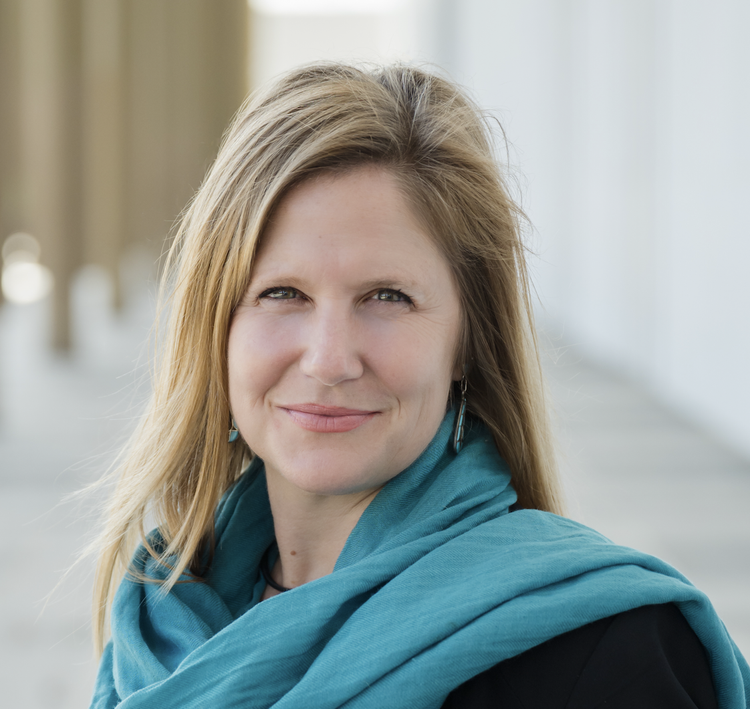
Emily Mendenhall PhD is a medical anthropologist, Guggenheim Fellow, and Professor in the School of Foreign Service at Georgetown University. She has spent over two decades studying how trauma, culture, and chronic illness intersect — with research spanning the US, India, Kenya, and South Africa. She is the author of six books, including Rethinking Diabetes, Unmasked, and her latest, Invisible Illness: A History from Hysteria to Long COVID. She is also Editor-in-Chief of Science Politics and has written for Scientific American, Vox, and Psychology Today.
Emily wrote Invisible Illness to tell the story of complex chronic illness as one with a long, tangled history — and to demystify the misogyny in medicine that has long dismissed, ignored, and belittled women's symptoms and experiences. One of the through lines of her work is that no one's illness journey is the same, and that living with a chronic condition is complicated not just because of symptoms, but because of the people around you, the systems you navigate, and the financial and social costs that can make or break your ability to live a full life.
Connect with Emily:
Website
Instagram
Publication

Meet Destiny - The host of The Chronic Illness Therapist Podcast and a licensed mental health therapist in the states of Georgia and Florida. Destiny offers traditional 50-minute therapy sessions as well as therapy intensives and monthly online workshops for the chronic illness community.
Destiny Davis, LPC CRC, is solely responsible for the content of this article. The views expressed herein may or may not necessarily reflect the opinions of Dr. Heather Olivier.