
Learning to Partner With Your Body (Instead of Fighting It)
I sat down with Jason Therrien, a physical therapist who's been part of my clinical consultation group for years, to talk about something that doesn't get discussed enough: your relationship with your body when you're dealing with chronic pain.
Jason works with people who've tried everything—physical therapy, pushing through the pain, all the treatments—and are still struggling. And what he's learned over the years is that the way we relate to our bodies matters just as much as the exercises we do or the treatments we try.

The "Have To" Trap
One of the first things Jason listens for when someone comes to see him is the language of obligation. "I have to finish this." "I don't really have a choice." "I have to keep pushing through."
Those "have tos" are usually a sign that someone's stopped paying attention to how their body actually feels during activities. They're in autopilot mode, pushing past signals, getting things done at the expense of flaring up their symptoms over and over again.
But here's the thing: there's another side to this coin. Some people are so focused on their pain that it takes up all their mental space. They're not just feeling the sensations—they're wrapped up in the story about what those sensations mean, what might happen if they try to do something, whether they'll be able to show up for the people they care about.
Neither extreme is sustainable. And both make sense when you understand what's actually happening.
When Your Nervous System Is Running the Show
Jason explains that pain is often more about sensitivity than it is about damage, but that doesn’t mean damage can’t happen or that you should ignore that sensitivity. That sensitivity is still data - important data.
Think about it this way. If you bend your finger back, it'll start to feel uncomfortable at some point. Keep going and it's going to hurt. That pain is telling you that if you keep pushing, you might actually tear something. But the point where it starts hurting? That can shift depending on how activated your nervous system is, how much sleep you got, what else is going on in your life.
The pain is real. The sensitivity is real. But it's not always a one-to-one match with what's happening structurally in your body.
Jason calls this the "gray picture" of pain. It's never just what shows up on your imaging, and it's also not just unrelated to your body. Most of the time, there's some degree of structural stuff going on AND a nervous system that's really good at remembering where you've been hurt before AND life circumstances that make everything feel more threatening.

The Bear Metaphor (And Why It Matters)
Jason uses this metaphor with his clients that I love: waking the bear.
When you push your body and it flares up your pain, you're waking the bear. So the first step is learning how to calm the bear—getting your system to settle down, teaching your body how to relax, noticing where you're holding tension and when you're holding your breath.
But you can't just stay there. Eventually, you need to build your body back up so you can do the things you care about. And that's where it gets tricky, because you're going to have to poke the bear a little bit to do that.
What Jason teaches people is how to be a good partner to their body. That means learning to listen, understanding what your body's telling you, and being responsive so you're not constantly pushing through but you're also not avoiding everything out of fear.
Grace Leads to Growth (Shame Leads to More of the Same)
Here's something Jason said that I think everyone needs to hear: at the top of your homework list should always be grace.
Grace for yourself when you don't do the homework. Grace for the part of you that's really hard on yourself. Because that critical inner voice? It probably helped you survive at some point. Maybe it helped you get good grades, earn approval, feel safe. It's not the enemy—it just needs updating.
This is where the A-plus student thing comes in. So many of us push ourselves to be perfect, to do more, to try harder. And when a practitioner gives us a breathing exercise, we take the deepest breath we've ever taken and wonder why we feel nauseated.
The work is learning that an A-plus might actually be a quarter of the effort you think it should be. That doing less with more attention is often more effective than doing more while white-knuckling your way through it.
Jason has this saying: "Grace leads to growth, but shame leads to more of the same." And I think that applies to how we treat our bodies, how we approach movement, and how we navigate the whole messy process of living with chronic pain.

What Body Partnership Actually Looks Like
Jason's working on something he calls the body partnership model, which breaks down into five foundations:
Body awareness: Learning to notice what's happening in your body
Intention: Understanding why you're doing what you're doing
Body knowledge: Knowing enough about how your body works to make informed decisions
Body responsiveness: Actually adjusting based on what you're noticing
Body relationship: Approaching your body with collaboration instead of control
The idea is that if we're working on all five of these areas, we're not just managing pain—we're building a relationship with our bodies that's sustainable for the long haul.
And honestly? That feels like a relief. Because I'm tired of fighting. I'm tired of trying to force my body into submission or prove that I'm tough enough to push through anything.
What if we could just... partner instead?
For the Practitioners Reading This
Jason spent almost a decade working in insurance-based settings, so he gets that you might be thinking "this sounds nice, but I don't have time for this."
Here's what he'd say: a lot of this is already built into what you're doing. Education is part of your scope. Explaining why you're doing certain exercises and how that shapes the way someone practices them—that's part of treatment, not extra.
And the receiving posture he talks about? That's not about adding more time. It's about how you show up in the time you already have. It's about helping someone feel safe enough to be authentic about what they're going through, which then makes everything else you do together more effective.
Sometimes the most powerful thing we can do as practitioners is just companion someone on their journey for a little while before we start suggesting which direction to turn.
Disclaimer: Everything we discuss here is just meant to be general education and information. It's not intended as personal mental health or medical advice. If you have any questions related to your unique circumstances, please contact a licensed therapist or medical professional in your state of residence.
Destiny Davis, LPC CRC, is solely responsible for the content of this article. The views expressed herein may or may not necessarily reflect the opinions of the guest.
The content in this blog post comes directly from a real, human interview between Destiny and her guest on The Chronic Illness Therapist Podcast. This written version was formatted using AI. Listen to the full episode to hear the actual conversation.
Listen to my full conversation with Jason Therrien on Ep 112: Learning to Partner With Your Body (Instead of Fighting It)
-
Episode transcribed with AI and may contain errors that are not representative of the actual word or meaning of the sentence.
[00:00:00] Therapists join us at the Chronic Illness Therapist Conference this March 6th and seventh, 2026 in Atlanta, Georgia, or virtually. This will be an interdisciplinary CE based conference that's bringing together mental health professionals, physical therapists, registered dieticians, and allied health professionals who wanna deepen their skills in chronic illness informed care.
Which goes way beyond just trauma-informed care. Earn continuing education credits while connecting with colleagues who truly get it, registration is open now and you can visit chronic illness therapists, plural chronic illness therapists.com to sign up and also read all about the accommodations that we've built into this conference to make your in-person experience as comfortable as it can be.
The chronic illness therapist conference is where clinical excellence meets community, and we are so excited to have you.
Destiny Davis LPC CRC: Jason Therrien is a holistic physical therapist and health coach who specializes in treating individuals with chronic pain and complex conditions. He works currently in the field of pain management and has earned his [00:01:00] doctor of physical therapy from the Medical College of Georgia in 2011, he's a certified Therapeutic Pain Specialist through Evidence in Motion and a Certified Health and Wellbeing coach.
Through the Well Coaches Corporation, Jason has a passion for understanding and treating pain, as he has seen the devastating effects of persistent pain on his patients and loved ones alike. His approach to helping those live with persistent pain is. multidimensional and incorporates education, coaching and psychologically informed practices.
His ultimate goal is to empower his patients with knowledge, strategies, and tools to more independently manage and reduce their pain while restoring function and quality to their lives. Jason aims to share the pain insights that have helped so many patients with other healthcare practitioners and wellness professionals in order to minimize the unnecessary suffering that exists in this epidemic of chronic pain.
And I can attest that. Jason is all of those things as he has been a part of my clinical consultation group for two or three years now, and I have seen firsthand how much compassion and knowledge he has about chronic pain. Um, [00:02:00] especially for somebody who has not experienced himself but has seen it, uh, like he said in hi with his loved ones.
And I think it's really impressive how much he understands this condition, um, both psychologically and physically. So I am. Excited to welcome you all to this episode of the Chronic Illness Therapist Podcast,
The Chronic Illness Therapist Podcast is meant to be a place where people with chronic illnesses can come to feel, heard, seen, and safe. While listening to mental health therapists and other medical professionals talk about the realities of treating difficult conditions, this might be a new concept for you, one in which you never have to worry about someone inferring that it's all in your head.
We dive deep into the human side of treating complex medical conditions and help you find professionals that leave you feeling hopeful for the future. I hope you love what you learned here, and please consider leaving a review or sharing this podcast with someone you love. This podcast is meant for educational purposes only.
For specific questions related to your unique circumstances, please contact a licensed medical professional in your state of [00:03:00] resident.
Destiny Davis LPC CRC: okay. All right. So Jason, thank you so much for being here. You've been on the podcast before, obviously we've done workshops together, podcasts, um, and have, you've been in my consultation group for forever now, and so I know a lot about you, but my audience might not know a lot about you, so I would love for you to share a little bit about your practice, what you're doing these days, and what kind of clients you tend to work with.
Jason Therrien, DPT: Yeah, thanks for having me. Um, name is Jason Tian and I am a physical therapist and also practice, uh, health coaching. I take a holistic approach. My, my, my focus for many years has been on chronic pain, which when you're working with that population with people who experience chronic pain, you also see, um, [00:04:00] a lot of other issues like chronic illness and. Layering in, you'll see stress and, um, other mental health conditions that might also be relevant to their, their physical health experience and, and symptoms. So, yeah, I, I work with folks predominantly with chronic pain, through a holistic lens.
Destiny Davis LPC CRC: Thank you. What are some of the main things you tend to hear from people, um, around their pain and kind of how that, you know, your, your whole thing is seeing the relationship with one's body and so I'm curious, what are some of the things you start to hear people say that kind of give you this, oh, that is indicative of you are not doing so great and that relationship right now?
Jason Therrien, DPT: Uh, that's a good question. Um, I. I think have tos come up a lot. So whenever I hear things like I, well, I have to, I don't really have a choice. I have to keep pushing through. I have to keep, [00:05:00] um, have to finish this job. Whatever this task is. It might be working for an employer or it could be some kind of responsibility, yard work, whatever it might be. Um, the, the idea that you, you have to do it one way or that you have to complete it, is usually a good sign that, from my experience, that person has not been really paying close attention to how their body feels during different activities. not to say you have to be like super vigilant the entire time, but just a bit more attuned and aware of how your body is responding to the activities that you're engaging in. Um, so ha have tos, musts, aughts tend to be, uh. Uh, challenging territory for that relationship to one's body, which, um, I think sometimes it's maybe easier for me to think about what, what the more ideal or wholesome relationship might look like and what deviates from that. So a more [00:06:00] wholesome relationship or one that I would say is also strategically more sound to get what you want.
If you want to be more physically active and engaging and, uh, to, to live the life you wanna live or be the kind of person that you wanna be, it will require listening to your body and understanding what it's telling you so that you can be more responsive to it as you're engaging in those activities. Um, for those who don't listen, they may get things accomplished. They may get some jobs done, but at, at the expense of flaring up their symptoms a lot of times. And then creates kind of a, a cycle in that way.
Destiny Davis LPC CRC: Yeah, it makes me think, um, the people you're describing right now are the people who maybe don't know how to feel what they're feeling, um, pushing through, right. They have to kind of ignore or like dissociate from even, uh, what they're feeling in order to keep pushing past the pain to get a certain thing done.
And then on the other side of that, I can you explain maybe what it might look like for somebody who actually thinks about their [00:07:00] pain a, a whole lot and like, um, is the opposite end of that where they they actually feel like they can't do anything and maybe, uh, they, yeah. Can you describe that kind of what that kind of relationship might look like?
Jason Therrien, DPT: Yeah, that's true that that does happen pretty often too, that some folks, um, a result of, their, the, the symptoms that they develop over the course of time, it can dominate their focus of attention and be, at the front and center of their awareness, which might prevent them from doing as much or doing the things that they care about that they want to do. For those folks. A lot of times what I've noticed is it's, it's partially the symptoms themselves or the sensations that they're focused on, but it's also the, the story behind it, the relationship to it that really fills up the rest of that space. So there's the sensation in their back and the part of them inside that's really [00:08:00] concerned about that, or resistant to it, or, um, maybe, uh, preoccupied with what might happen if they were to, you know, go to that party or get on that plane to go visit family. Um, yeah, so if that responds to your question, like some folks will just be, in that space of, um, yeah, just rumination a little about their experience, what they're having and, some. Concern, or I don't like the term, but catastrophizing as to what might happen next if they were to, engage in activity more often.
Destiny Davis LPC CRC: Yeah, I think that's, you know, we can talk about that term for a minute because, you know, and the reason why you and I both don't like that term is it, does it pathologizes the, the client, it says you're doing something wrong and you know, you're just being dramatic or you're, you're making things worse than they are.
But, um, if somebody doesn't quite understand or know, I mean, we have been [00:09:00] taught right, that pain equals bad emotional pain, physical pain. And so, um, yeah, like when my back is hurting. That might be a signal that, okay, you need to go sit down. Even though maybe the reason why my back is hurting my particular back problem might be a, you know, a shortened muscle somewhere or a tightened area or somewhere that's too loose, like when in hypermobility.
Um, and so then sitting down actually does the opposite maybe, but also pushing through the pain, uh, maybe turns into, you know, still kind of doing something that, that just doesn't give your body the rest and re restoration that it's looking for. Which is where I always think, even though you do a lot of psychologically informed practices around body relationship, this is where I think the knowledge of the body comes into play.
So, so well, um, can you just give an example of what that might look like? What kind of movement you might be working with a person who is, you're actually trying to encourage them to not be [00:10:00] so scared of certain sensations in their body.
Jason Therrien, DPT: Yeah, it's a good question. Yeah. Uh, one gentleman comes to mind who is kind of on the further end of that spectrum of being afraid of certain motions or, or certain positions for his body. mostly as a result of, so he develops pain he goes to see some. I think well-meaning healthcare providers, uh, then inform him that certain motions are off limits or these can put you at risk of causing more damage or more issues. So he takes that and he applies it to his, his whole life for the ensuing months. Uh, he comes to our sessions and won't sit down the entire time because he's been led to believe that any sort of bending or flexion of his spine, uh, would be dangerous. It would actually becau potentially causing more damage to [00:11:00] the discs, uh, which would then cause more symptoms for a lot of his issues are in one leg. So in that situation, um, I, I know I've used this term with you before. I, I, I don't have a better term, but like radical grace, I think for me. The first step is just to recognize and not pathologize what beliefs you do have with your, about your body and about your pain and about what you've been told related to your diagnoses and, and your prognosis from that. Um, and also the feelings that come from that. It's like, well, if you, if you have a bad back and you have all these, uh, different diagnoses that are scary and, and hard to say, uh, because they're all in Latin, it can lead to a lot of, uh, understandable fear and frustration with your body. So let's start by just honoring the fact that there is, that there, that there is a, there, there for, for those big feelings and they're not wrong to be there. [00:12:00] Um. So to me, I, I think of it as like a twofold project. One, one part of the project is to honor and have compassion for those feelings and the relationship that is already present with the body and how we relate to the symptoms we're having. And then the second part of the project is to restore. Uh, sense of a relative sense of safety and strength and confidence and resilience in the body. So for this person, um, even the smallest amount of flexion in his spine, uh, even in a standing position was, was a lot for him. Just even consider, so I don't do this often, but for those you know who it's appropriate for, I'll, I'll use motor imagery, which I'll ask the person to imagine doing the motion, which even imagining doing it can evoke both. Um. Increasing their symptoms, they'll experience an increase in pain sometimes, and they'll notice the fear that comes up, um, inside. So they might feel tightness in their [00:13:00] chest or the throat closes up or, or something like that. So learning to recognize the, the strong degree of anticipation that's occurring in, in that person's system, which isn't their fault, it's not their responsibility to, like, they, they didn't put it there, in other words, um, they can do something about that.
They can learn to work with those feelings. Um, but I don't want anyone to, to this conversation or come, or, or working with me thinking that they're doing anything wrong by even having these fears like that, most of that was conditioned into them earlier on, um, not by their choice.
Destiny Davis LPC CRC: Yeah. And that, that brings me to my next question, and of course it's an individual question, but how do we start to figure out when pain is quote wrong? And I know you hate the wrong language. I do too, to a sense, but like if I bend my finger this way, that's not wrong. But if I keep going, that's gonna be pretty wrong.
I might break my finger. So like, how do you know where that line is? Especially as someone with chronic pain? [00:14:00] I've had to learn this from my own body, but like I can barely put it into words because it's been such a long journey. So I'm just curious like, yeah, and, and maybe you have a different way of answering that, and that's totally fine too.
Jason Therrien, DPT: a stab at it. Um, it's not an easy question because, well, I mean, yes, I, I'm not going to reject the language, but I don't think about it as right or wrong pain. It's, it's real, it's, it's right in some form or fashion. Um, I, I think about, to, to answer your question, I think you could probably approach it in a couple different ways.
I think some of it does require a little bit of, uh, just better understanding of. Of how pain works. It doesn't have to be like a super thorough neuroscience explanation, which I've done that too. And, and sometimes it helps 'em, sometimes it doesn't. Uh, but in general, pain is [00:15:00] more about sensitivity than it is about damage. your example with the finger would just be, I would just pick up on the example. Say, okay, well if you bend your finger back to a certain point, it will start to be sensitive. It'll start to feel uncomfortable, and if you keep going, it's going to start to hurt. And it's probably going to hurt around the time that something is starting to get stressed or strained.
So if you start pulling on the tendon or the ligament or the fascia, and it gets to a point where it's undo, like it's, it's beyond what it can take. It might start to tear. And that pain would. Repre be represented, would represent fairly well the amount of damage that's being incurred. But we also know that depending on the person and the health of their nervous system and the level of, say, um, activation in their system, um, sometimes we might think about that as level of threat in their system. [00:16:00] That can actually, that the point in, in the range of motion for that finger to start becoming painful might be a little earlier or might be a little later. it's going to hurt at some point. The pain doesn't necessarily mean that you're immediately starting to have injury or damage, it's a sign that if you keep going, that you might. So how did you, you might relate that to a person's area of chronic pain. So if they have chronic low back pain and some days it's really sensitive to the touch and other days it's not. Some days they can do a lot more physical activity and not really pay for it, and some day sometimes they can't. think one way of maybe starting the conversation there, just using their own experience to help them see that maybe the sensitivity in their system is what's changing in those situations, and now we can have a conversation about that part of the pain. Um, so yeah, let, lemme
Destiny Davis LPC CRC: Yeah, yeah,
Jason Therrien, DPT: bit more
Destiny Davis LPC CRC: yeah. [00:17:00] No, that's perfect. That's, it Makes me think of two of the, um, you know, the pain well. We use this a lot in M with MCAS, but there's like the theory of the bucket and once the bucket is full with environmental or physical or emotional stressors, then symptoms overflow. And it's, that's, you know, so I like that you talked about this being dynamic as well, where one day doing the dishes can be well within your range and you can do the dishes and then go to the park with your kids.
And other days you just, you're doing the dishes and it's like the pain is already the sensations, the pain is already starting to kind of fill your body. And maybe that's because you didn't have a good sleep night's sleep. Maybe it's because you are dehydrated. Maybe it's because you had a really big fight with somebody that morning.
Maybe like the stress bucket is getting full and sometimes we know what is filling our bucket up and sometimes we don't. And so regardless of whether you know or not, we do need to learn to listen to those sensations, which doesn't always mean stop what you're doing right now because you're going to hurt yourself [00:18:00] sometimes it does mean that.
So that's what I'm getting from, from what you just described.
Jason Therrien, DPT: Yeah. Yeah. And I, you know, it's, it's a little tricky jumping into the, the examples, uh, without kind of laying out the foundation for, for how I encourage folks to approach movement and their own body. So I, if it's okay, I just wanna just kind of lay that out first. Okay. So. I use a lot of dumb metaphors to explain things, which, um, I think are fun. But my favorite is probably the bear. It starts with this idea that for folks with chronic pain, they've tried physical therapy. A lot of times before they get to me, they will have tried pushing through the pain, um, to get things accomplished in their life.
But whatever the case is, when they push their bodies and it flares up their pain, what I call waking the bear. Um, so from my perspective and, and now I like to work with people, [00:19:00] our first, uh, step or our primary project is to calm the bear or calm things down in your body first. But then eventually after we've made some headway in that department, which we tend to do.
So, um. Then we're gonna need to build the body up in order to restore that resilience and, and to be able to do the things you care about. And also along the way, you know, develop more confidence in your body and belief and trust that it's, it is safe to, to use, at least to some extent, it including the areas that hurt. Well, to do that, you're, it's gonna be hard to avoid pain, it's gonna be hard to avoid some degree of increased symptoms. Um, so what I like to say is I don't want to teach you how to poke the bear without waking 'em up. And that's another way of saying, I wanna teach you how to be a good partner to your body, which means learning how to listen to it, understand what it's telling you, and then ultimately be responsive to your body so that you aren't pushing [00:20:00] through, but you're also not avoiding activities either you're able to make changes at the time or maybe between bouts of, of activity so that you're not, um, just. Again, getting the same results over and over again, that you can make the subtle changes necessary to do a little bit more over time and not hurt more over time, uh, as well.
Destiny Davis LPC CRC: That was a really good clarification that I think is answering some of these really hard questions. Um, you know, yeah, it may not be completely black and white, but to say, learning how to do more without hurting more, I think that's everyone's goal, right? We don't wanna do more and be miserable while we're, while we're doing it.
So, um, we are kind of moving into this even the second objective here, but, um, part of what clinicians can do with clients is exactly the education that you just shared. And you have a wonderful handout on the bear, which I'm happy to link. In the show notes of this, um, podcast episode, and people can use [00:21:00] that with their clients to help explain this kind of education.
Um, what is the benefit that you see in laying out that education with clients before you ever start to do any manual work or movement work or anything like that?
Jason Therrien, DPT: Uh, yeah. Um, a few, a few different things. One, I think probably the biggest one folks come to see me, As I mentioned, they typically have tried a lot of other things before working with me, including physical therapy and just me explaining things in, in that way at the beginning helps them see that this won't be like their past experiences. Um, and that whether or not it's better, it's definitely a different approach. Um, this weird guy uses metaphors about bears. Um, okay, let's roll the dice and see how it goes. So it just, I mean, it, it lightens things up a little bit too. You know, it's, it's, you know, a different wave referring to pain throughout the activity. which I think [00:22:00] there's some stock to that notion of not reiterating the word over and over again, which is not the same thing as saying, don't talk to about pain to anybody. You should avoid talking about it. There's some schools of thought out there that encourage that. I, I'm not a fan, but it is just a different way of talking about. can lighten things up a bit. and then, yeah, I think when a person has a plan, it makes the trust that's necessary to, to go through the process of maybe reintroducing previously scary activities or movements or positions. It makes it a little bit easier if they have a plan that makes sense to them early on. So for all those reasons, and probably something I'm forgetting, it's just, it's just helpful from my experience within those first two or three sessions to just some clarity around, not as much what we're doing, it's like as, as, as in like the specific exercises or movements, but why we're doing them [00:23:00] and how that then shapes the way you do them. Um, I like to say that the why and the how matter more than the what You can give three people with the same. Diagnosis, although their experience will be different, but if you give three of the same person in three different universes, um, the same exercise, but you give them different explanations for how to go about doing them or maybe frame their pain in different ways, um, one, you know, with this more, you know, bear like explanation or one where just whatever they already believed about it, that will then shape they go about doing those exercises.
And I think it's really important that we, we talk about first why we're doing what we're doing and how we go about doing those things, that makes.
Destiny Davis LPC CRC: Yeah. I love Totally. I love that that's your approach, because like you said, there are some programs out there right now that are teaching, I mean, literally behaviorally teaching clients that they're not allowed to talk about their pain. [00:24:00] And it's, it's incredibly damaging. It's, it's psychologically damaging, it's traumatic.
Um, and it's interesting because as I've gone through my own chronic pain journey, I came to a point at one point where I recognized that certain movements, especially in the gym, certain movements that I used to think were like dangerous for my body, that were going to cause harm and injury. I, at some point through.
Pacing breath work, like nervous system regulation through learning about my body and learning about muscles and how they work and all of that, was able to come to a place where I was like, oh, that particular pain I'm experiencing right now is not indicative of injury. But if anybody had tried to tell me that when I was in a level 10 pain from that experience, I would've been like, go away.
That that would not have worked. And um, so I would never advocate, like that's what these kind of, some of these behavioral programs do is try to help people see [00:25:00] that their pain is not indicative of injury. And I just think that that is. It's not all, it's, it's harmful at worst and at best, it's just not helpful.
Um, it doesn't do anything in that moment. A client has to come to that on their own because some pains are indicative of injury and some are not. Um, even as I'm saying this, in that example, I'm like, yeah, but if I had done some of those movements in the gym before and pushed past that pain, I probably would've tweaked something, maybe pulled a muscle or this or that because I was pushing past my capacity at that time.
So.
Jason Therrien, DPT: Yeah, I a hundred percent agree. Um, one of my favorite expressions to say with people is that pain is gray, and that's just a. Uh, it makes sense to me, but the idea is that pain is never a black or white phenomenon. It's never just what shows up on your imaging like your x-ray or your MRI or posture. And it's also not just something, [00:26:00] um, unrelated to it or something that's all being driven by a, um, yeah. A, a a belief that you've developed about your pain or something that's, again, unrelated altogether in, in terms of your, your relationship or, um, something more emotional. I think these sometimes can be true.
I mean, it's more the exception than the rule that there is a black or white case to be made most of the time. I would say it's a gray picture that you may have some degree of structural abnormality and, and, uh, either current. Or a history of injury in that area. And you also have a nervous system that's really good at remembering where you've had previous injuries. And then there's things that affect your nervous system that have nothing to do with the injury that can, you know, make it more or less sensitive. So it's just, it's always better at my opinion to look at it, the whole thing as [00:27:00] a gray picture with multiple contributing factors or drivers, then focus in more on where a person has, uh, the agency where they have more say so, and sometimes just completely changing and, and committing to a new belief about their pain. And what it does and doesn't represent is not within a reasonable expectation for that person. And like you said, it can be even harmful at times if they're being led to this notion that you just have to think about it differently and it'll go away or, or suddenly become less, uh, sign.
Destiny Davis LPC CRC: Yeah, definitely. Is it any of your techniques with patients around helping them see, for example, something like where they have full range of motion in a certain area of their body? Like for example, the guy that you were talking about feel like he felt like he couldn't, you know, move or move his body in a certain way with him or somebody else.
Would you advocate [00:28:00] for helping them start to find areas of their body that just simply don't cause them distress? Is that.
Jason Therrien, DPT: Yeah. You know, there's a, a from the somatic experiencing world that comes to mind called pendulation. Um, and that's not exactly what you're describing, but sometimes it is good just to recognize that you have. A lot of real estate in your body. Um, and in terms of what you can experience, it's almost infinite what you can experience in your body.
So if you look long enough, you'll find something in your body that's at least neutral, if not relatively comfortable. And, you know, I understand how some people might challenge that, but, um, my experience, eventually we'll find something that isn't threatening at least. Um, I like to start with breathing because for the majority of people, not everyone breathing is a physical experience that you can feel in your body is usually [00:29:00] not associated with distress or threat.
It's, um, usually the opposite. It's something that's replenishing and, and, um, it helps you maintain, make, keeps you alive. It's something that you can just switch off from thinking about and it will keep happening for you. if you can focus on your breath, that's a good starting point for. Reconnecting with your body in a way that maybe starts to restore a sense of, uh, collaboration that you can work with your body and your body can work with you. Um, and then also from that, you know, starting to recognize other things like your patterns of breath holding and how that some oftentimes correlates with tension patterns in your body. that's a whole nother question that you didn't ask, but uh, but as far as just
Destiny Davis LPC CRC: No.
Jason Therrien, DPT: with good things in the body, that's probably a good starting point for a lot of people.
Destiny Davis LPC CRC: Yeah, absolutely. So another, basically another technique you're using is helping people become [00:30:00] aware of their breath. I'm hearing it's not even about, you know, this box breathing or that 4 78, it's just, can you even just notice how much breath your body does allow you to take in and notice that breath keeps you alive?
I liked when you said that. It was like a good positive kind of imagery of, 'cause I, I actually do have quite a few clients where breath is not, like, breath work isn't not, it doesn't feel safe for them. It doesn't feel like a good entry point. But I could see how even that reframe of like, I, I'm not asking you to take this big deep inhale 'cause that's a lot of times what people think we're asking.
And they have been asked that by many other practitioners, right? Like deep belly breaths. Right. They might not be ready for that. I know I certainly wasn't the first time that I ever tried deep breathing, I was laying down flat on my bed and I took 3D deep breaths in and I thought I was gonna throw up.
Jason Therrien, DPT: Hmm.
Destiny Davis LPC CRC: So I don't know what was happening there if my diaphragm was just like, whoa, you've never done this before. Like, chill out. Um, but it was nauseating and so [00:31:00] I, I think there's that and I've had clients who have mentioned a, an array of different experiences. Um, but just to be able to say. Your breath is fine as it is.
Just notice how it's keeping you alive is I think, really important.
Jason Therrien, DPT: Can I speak to breathing for just a moment?
Destiny Davis LPC CRC: Yep.
Jason Therrien, DPT: Um, I think this is another one of those starting point conversation, like to, to the work I do is just talking about the breath. Um, even just from an awareness perspective. So I, I do invite folks to try a breathing technique um, it's, it's different than the ones that you listed.
It's doesn't necessarily make it better, but it's intended to be less regimented, less, um, technical, uh, I call them the deep and Easys, which. Kind of hopefully is implicit that they're intended to be very easy to perform. It does start with a slow, deep breath, but one that feels right to your body. Um, if [00:32:00] you take a super duper deep breath and become nauseated, that's not what you were asked to do, and that might be something for you to learn from.
It's like something in you decided that it would be better to take a bigger breath. So there might have been some striving there or just really overcommitting to trying to do more. I mean, each, each opportunity, each time we do anything is an opportunity to kind of reveal more about what our intentions are with, with what we do with our bodies. So I'll, I'll have 'em try the deep breathing. And for most, even those who, uh, have some, you know, difficulty with breathing from their past experiences or maybe have like a diagnosis, some kind of pulmonary issue, for most people it's actually, you know, pretty relaxing and calming, although that's not necessarily the main reason for it.
Yes, it is a tool or a resource that I try to give folks to help them how to relax their body, learn how to change their breathing pattern, learn how to maybe calm their [00:33:00] system and maybe get to sleep a little easier at night. But the main thing goes back to your point about just being more aware and that the more you practice the breathing and you go through the recordings, I, I I offer people, the more aware you'll be of your habits of breathing throughout the day when you hold your breath more, um, when you might hold tension in your body.
'cause it's also a call to start recognizing how you hold tension and. part of what I do to help, uh, going back to the, the bear metaphor, calm the bear, is to help folks learn how to relax their bodies. And for many, uh, I'd say most, they learn to go from this, like their body's held tight like a fist to this, with their bodies more relaxed and soft, their symptoms start to change.
And that is a really nice, uh, talking point for us to explore. It's like, well, what does that, what does that mean about the nature of your pain? But more importantly, maybe what's going on upstream [00:34:00] these instances that's driving the tension and breath holding? And, and that gets into a bigger conversation about, you know, your relationship with your body and the relationship with your symptoms and certain activities and movements.
And then on top of that, you know, we tend to hold our breath in certain circumstances and around certain people. it's just, uh, yeah, it's a great way of, of cracking the door open. To a bigger conversation about personal awareness and all the things that might be driving their symptoms.
Destiny Davis LPC CRC: Yeah. Thank you for that. And in, in the mindset of the practitioner who's, you know, listening this and trying to think about how do I, you know, incorporate this with clients, I just, I had a thought about the way that you, you were very careful and cautious to like, um, uh, to not critique, but to, you know, critique my breathing there, but it wasn't a critique.
And, and, and in fact, if I had, had, I think somebody, when I first started doing all this work, all I had was like YouTube and [00:35:00] you know, my own learning, which is great in a lot of ways. If I had had a practitioner who could have sat next to me and said, whoa, it's okay. You don't have to breathe. I'm that deep.
They could see maybe that I was trying to kind of be an a plus student, or they were, and they, they could do that without judgment, without, you know, it's not a judgment, but it is, it was a fact. That was what I was trying to do. And so to be able to call that out in a gentle, kind, compassionate way, and I know compassionate reframing is also one of the techniques that you use with clients.
Um, that in and of itself goes so far. Like to give a client permission that an A plus actually is like a quarter of the breath that you just took. Um, and so anything above is just, it's, you're okay. You can do less and be beautiful. Um, so I just wanted to point that out.
Jason Therrien, DPT: you're still lovable if you don't get an A plus.
Destiny Davis LPC CRC: There you go.
Jason Therrien, DPT: Yeah, I like, I like the term compassionate reframing. Um, yeah, I think one, one of my, [00:36:00] uh, I guess cheesier things that I encourage folks to consider is that at the top of your list for your homework, each in between each of our sessions will always be grace. And, and that's grace for yourself for not having done the homework. And then, and this is the trickier one, uh, grace for the part of you that doesn't have grace for you. the part of you that's very judgmental and shoulding and yeah, be a bit of a critic inside, um, you know, the part that may have driven you to get those A pluses like. What a good friend this, this part of you has your, has your best interest in mind, wants to protect you, wants to keep you safe, and wants you to be, uh, seen as valuable, what, whatever it is.
I, I would like to take folks through an exercise called the Charity Challenge. What's the most charitable thing you can say about this tendency to push yourself really hard sometimes? and it's hard. [00:37:00] It's a challenge, but once you look at it closely enough, was never the problem. It was just, it was always the way you, it, it became the way that you found safety or you found, um, yeah, a sense of, of connection in your life, perhaps.
Um, so it, it in and of itself is not bad or wrong. It might be in need of updating. Um, so, and I think it's also easier to make these changes about how we use our body and not striving and not pushing quite as hard. we start with grace, I like to say. Grace leads to growth, but shame leads to more of the same. And,
Destiny Davis LPC CRC: I love that.
Jason Therrien, DPT: it's just an important, uh, I think, I think strategically makes sense, but it also, my bias is that we all deserve more grace from ourselves acceptance from ourselves and, and compassion. So, yeah.
Destiny Davis LPC CRC: [00:38:00] I love, um, when you talked about, uh, the part of you that's, kind of doing something for you, uh, maybe like connection is important to you, so that a plus kind of helped you get connection, especially as a kid with like your parents, et cetera. Now we're getting into some therapy work, but that's okay.
Um, you know, and so recognizing that the way that that conversation can be relayed that any practitioner can use therapist, physical therapist is it's, it's values work. It's under, it's helping a client understand what their values are and what they want their life to look like. So if connection is important to you and getting a pluses was how you've previously always gotten it, but now we know why, because connection's important.
Now we can find other ways to help you find connection that doesn't require you pushing through pain.
Jason Therrien, DPT: Exactly. Exactly. Yeah. So that's, and that's when I would, you know, defer and, and refer out to, to someone else. Uh, to be clear. But in terms of your relationship with your body, I feel like that [00:39:00] is that I feel comfortable in exploring with patients and clients is, Can we challenge ourselves and our bodies and, and, and build them up and, and do hard things with them, be more supportive and collaborative and, um, respectful of our bodies and treat 'em with dignity along the way. And not only, like I said, is that something that I believe we deserve and that our bodies deserve. it's also a better strategy. It also will likely take you a lot further. Um, and this is where it gets a bit tricky with, with fear. Um, this kind of opens up a whole nother conversation, but, uh, just wanna throw it in here that a lot of people who aren't as close to the movement side, I guess, of, of chronic pain, And even those in my field of physical therapy have a misconception. I [00:40:00] think about people who experience chronic pain as those who are afraid to move, um, or, or, or don't have enough courage or grit or will to, to do hard things with their body. And from my experience, it's, it's been the opposite and that the majority of people that I see who develop chronic or long-term pain, had spent years and sometimes decades pushing through the pain, um, and, and, and before they even get help or, or seek help.
So it's, it's those all the, they often have very high pain tolerances, uh, compared to others. and I think fear does play a part, but just not in the way that a person might think. And this kind of goes back to the a plus ideas. It's. It's not so much a fear of the pain or fear of activity, it's the fear of what would happen if I didn't keep pushing through. a like a slippery slope idea. Um, that if I, if I start [00:41:00] scaling back my activity a little bit here, then in, before long I'm just gonna be, you know, laying on the couch. It's kind of that black or white thinking again. so I try to encourage folks to consider that taking two steps backwards can mean four steps forward, uh, but it will require a bit more patience.
And going back to the other notion about if you have a plan, it's like if you explain this early on, it's like, this is what the process is gonna look like. It makes 'em a little bit more open to the notion that, okay, maybe I can scale back on some of my exercise or some of my daily activity for a little while to let my system calm down before I build it back up again.
Destiny Davis LPC CRC: Yeah. And I think you're describing pacing really beautifully. Um. You know, and, but I think this is important because I think we, we all hear that term, a lot of us in the pain world, pacing, pacing, pacing. It's like, what does that mean and, and how do we explain it? And then how do we explain it to clients?
And there's pros and cons with the different ways that people even try to do pacing. But, um, this is how, this is how you explain it to [00:42:00] clients and patients is you don't even ever have to say the word, you don't ever have to say pacing in the explanation, but essentially what you just described is how I learned how to pace.
Um, it was a lot of, like, I, I came to the conclusion that if I, uh, um, observed how long it took me to recover from a certain thing, whether that was doing the dishes or going on a walk or being at work or whatever it was. It took away some of the fear of like, if I do this, then I'm gonna be tired and I can't do this, or I'm gonna be in pain and I can't do this.
And it was like, actually everything has a recovery period, so how long does it take you to recover before you can then start doing this other thing that you really love or wanna do? And that was a really helpful, um, piece of my journey as well.
Jason Therrien, DPT: Yeah. good. Pacing is important. It's like,
Destiny Davis LPC CRC: Yeah,
Jason Therrien, DPT: idea, I think in a, in a way too. It's, yeah, breaking things down and,
Destiny Davis LPC CRC: yeah.
Jason Therrien, DPT: for sure.
Destiny Davis LPC CRC: I know we've talked [00:43:00] about pain education, body awareness, compassionate reframing. I would like to talk a little bit about, um, graded motor imagery. Like maybe when is that contraindicated and you would stay away from it or, and also what it looks like and how it sounds like when it's really effective with patients and clients.
Jason Therrien, DPT: um, as far as contraindications, 'cause you know, I feel like that's a really good question. I, there's not a ton that come to mind by the time I might even introduce the activity. Um, by that time we will have established, uh, a bit of a relationship. I, I've come to know this person well enough to see where they're at with their current physical, physical activity regimen and what they're wanting to do, uh, what their beliefs are about their pain and, and, um, their history with certain activities or movements that have been painful in the past or occurred, you know, as a result of a big injury or like car accident or something. Um, so [00:44:00] once I've gotten to know the person in those situations, and especially if, yeah, going back to like the car accident example, if there was like a really severe physical and, and likely psychological trauma, um, that kicked off the pain that they're coming to me with, or at least was around the time of the onset. Then that might be area to tread lightly on, uh, with imagery. I wouldn't ask 'em to put themselves behind the steering wheel in their mind, like on day two for that person. I, I'd want to get to know them more, establish more resources, maybe teach them some mindfulness practices, the breathing, start gently moving their body again if they're able.
But if they're not able, uh, and as in not able without flaring up their pain, without causing, or without causing more distress for them just to consider it, that's when I might start introducing the idea of doing some imagery. And then I would just tell them about it first and see [00:45:00] how they respond. as far as like straight up contraindications, as long as they have those resources on board, I'm not sure that I would, I can think of any right now.
Do you, can you think of any for.
Destiny Davis LPC CRC: No, I wanna clarify though, um, if the imagery, 'cause you kind of said I wouldn't put them like behind the wheel, but are, I would imagine, well, you tell me if I'm wrong. I was thinking graded motor imagery was more about imagining the movements that you wanna do.
Jason Therrien, DPT: It's,
Destiny Davis LPC CRC: Is that wrong?
Jason Therrien, DPT: it could be activities. So,
Destiny Davis LPC CRC: Okay.
Jason Therrien, DPT: because sometimes, and this is, this one's really, honestly, it's been a little bit more challenging for me, um, not in terms of education, but in terms of, uh, helping folks a clear plan of progression with static long-term positioning. So long-term, sitting behind a desk, uh, standing for long durations like these are. Not moving their positions, they're doing things with [00:46:00] their body. They're just not really moving a whole lot in those situations, in those, uh, examples. So in those examples, I would also use, you know, can, can you imagine that you're, you know, midway on a flight between New York and London, you're, I don't know, five hours into the flight your back starts to tighten up. Can you picture yourself there? And, and, and that, that's kind of what I mean by that. But of the
Destiny Davis LPC CRC: Yeah.
Jason Therrien, DPT: though, it would be for, for many, um, a movement like, you know, uh, and, and usually I wouldn't even pick necessarily, I would, I wouldn't pick, um, specific movement that they're afraid of doing. Like maybe for this guy bending over at his spine, like a flexion position or, um, something like lifting a heavy bag off the floor. I might start with a, real. Uh, broken down version of that. So maybe sitting down, bending forward and sliding your hands down the front of your legs. [00:47:00] That's the imagine movement. in that situation, yeah, I would do movement, but I mean, I think it just kind of depends on the person to some degree. Um, knowing
Destiny Davis LPC CRC: Yeah.
Jason Therrien, DPT: putting them back into a scenario, imagining the onset of their symptoms could potentially be, very activating for them.
Destiny Davis LPC CRC: I would say that's where the therapy piece comes in. Um, good, good trauma therapy, like, and yeah, it would start, I mean, even in somatic experiencing when we're doing that kind of work, um, sometimes we, there's a kind of a, um, they call it a a t scale, and it's like t like T zero is where the trauma happened.
And we don't even go there. But we might ask a client to remember what it was like getting into their car. Like let's say they got into a car accident after work, we might ask them to remember what it was like waking up that morning in, in their bedroom. Like it has nothing to do with the car and it has nothing to do with really much of anything, but except for the day that the car accident happened or [00:48:00] something.
That's just a very small example. Um, but in, and that's in trauma therapy. But in the realm of like movement and chronic pain, I can definitely use an example of my own life in which, um. Like when it was really, really hard to get out a pet bed when my chronic fatigue was at its worst. And, and the pain, the nerve pain was just really, really high.
And, um, I would just like wiggle my fingers. And that's actual movement. That's not necessarily, but there was an imagery component with it. Like, I would imagine myself just being able to do the very next mo movement, which was like sitting up and then it was like putting my feet on the floor and then maybe walking to the bathroom and, and I would sit there for probably five, 10 minutes visualizing that before I could actually get up.
Um, so yeah, that's my, my experience with some, what I think is graded motor imagery. Do you have any thoughts on that?
Jason Therrien, DPT: Hmm. Uh, no, I, I, I, I like it. You know, I haven't thought about, I mean, I like just, uh, so I, I learned motor imagery kind [00:49:00] of, kind of one way, um, sorta, but like, I like the idea of just playing with these different ways of incorporating it. So your example of starting with. Just one movement, and then doing that movement and then another movement, and then doing that movement, it's like, oh, that's, that's kind of a neat idea.
Kind of leading yourself, along. Um, that's interesting. I haven't, I haven't really thought about using it in that way before. I think typically I use it for, uh, in part, for kind of revelation for the person to recognize the degree to which, um, their system, which is just kind of, you know, I'm, I'm referring to the nervous system more than, more than anything, but I think people kind of get tired of hearing about their nervous system sometimes. Uh, so I'll just say their system. Uh, really doesn't like you thinking about certain activity or you just the thought of doing certain motions can, can cause a pretty strong [00:50:00] reaction in your body. Your body might tense up, your heart rate might go up, you might feel anxiety, uh, or just a little bit of, you know, nervousness or, or anticipation happening all just by imagining the motion. And that's to again, highlight the fact that there's more to your pain than just what you've been told. It's, again, that gray picture and this part of it is something we can work on. This is part of what we can do. Um, it makes some headway, is to work on some of, of that anticipation in the system about certain activities or movements or positions being for you and unsafe.
So, can we, can we again, you know, navigate that within a different perspective?
Destiny Davis LPC CRC: Yeah. Yeah, I think that, you know, um. I think that's also a part of it. Um, there's a concept in sports psychology called, I mean, sometimes it's just referred to simply as [00:51:00] visualization, but it can also be referred to as mentalization. And I know people tend to have the, the word visualization. Usually people think of like, you know, a guided meditation telling you to, like, imagine being on a beach.
And that's, that's absolutely visualization. But even in, um, the athlete, in the athlete's world, it's, uh, if you imagine yourself jumping farther, you physically are able to jump farther. Might be a mil, a millimeter further, but it can help. Um, I've done this in the, in the gym where, um, I didn't feel like I, I, and this was also, this was like a pain fear response.
I knew physically I could jump without getting hurt, but this was like right when I was building that kind of confidence. So I still had a lot of fear. And so I remember looking up at the, um, the, the pull up station and just. Imagining myself jumping, and then I, and then I just did it and it was like it, I had to take that split second where the fear was gone to do it.
But that mentalization, that visualization helped me like, jump up and, and grab the bar. [00:52:00] Um, yeah.
Jason Therrien, DPT: that's a good example. Yeah, I
Destiny Davis LPC CRC: Yeah.
Jason Therrien, DPT: it's been researched in lots of different ways and, um, I think for performance, it's, it's definitely been researched for several decades now. I think, um, that you can improve performance, and this is really helpful for, uh, athletes like coming back from injury. Um, I think it would also, you know, that's again, going back to like the, the realm of performance and jumping higher or moving faster and, uh, getting your agility back more quickly. But it also applies, I think, with the, um, inference or interpretation of danger. associated with the activities. Like if, if we can imagine doing it enough times, then sometimes it's enough preparation for our nervous system to see that as a relatively safe activity. And I, and I say that a lot, relatively safe or safer it kind of goes back to that gray [00:53:00] picture. I just, I try really hard not to lead folks to believe that I think that their body is completely safe. Um, not because I
Destiny Davis LPC CRC: Yeah.
Jason Therrien, DPT: think it is, but because it can come across as this person's not taking my diagnosis seriously enough, person isn't, um, careful with what I perceive to be, or what I believe to be.
And, and, and, and, you know, my experience has proven that it's. not safe to do certain things. So I, I just wanna be clear that we want to approach safer over time. and, and that that's where I tend to spend most of my time is helping folks recognize the relative sense, relative degree of safety, that their body parts that hurt, can, can, you know, can be.
Destiny Davis LPC CRC: I, I'm glad we're talking about this. This [00:54:00] really goes into the third objective, which is helping clinicians have a kind of common language, whether they're a registered dietician or a physical therapist or a mental health therapist. When we're talking with our clients around fear of their body or fear of pain, that shows up in all of our clinical offices.
And so we need to have a common set of language that we, you know, with variability, like we don't all need to be talking exactly the same. I think that's actually how we've maybe gotten into some of the problems we've gotten in with like the, um, behaviorism of, you know, don't talk about your pain, like here's a prescriptive language, but, you know, you said something just now.
Relative safety, that's a big thing in the somatic experiencing world too. We're not trying to talk about, or in the trauma world, I should say. Um. To try to just like, bring a client into safety. When they don't feel safe, they're gonna be like, yeah, one, you don't understand my experience. Um, you don't know what's going on here.
And so I actually don't trust you now and you've become unsafe, [00:55:00] but relative safety is just a little bit safer than what you feel now. And so it's, um, learning how to talk to patients and clients in a way that is not reinforcing some black and white stereotypes of pain and of discomfort and things like that.
Um, I'm just curious what comes to mind for you around language and, and what feels important around when you're talking with a client who is experiencing a lot of suffering with their body and their pain.
Jason Therrien, DPT: Yeah, so. I think first and foremost it's important that the person, feels like the provider with with whom they're working really sees what they're going through, really understands where they're at on their journey. And
Destiny Davis LPC CRC: Yeah.
Jason Therrien, DPT: takes some time because you have to, I think, earn that trust for that person to feel comfortable enough to really share, only, you know, what's happened to them, but how that's led them to feel, uh, what they've come to believe about their body. [00:56:00] So I just, I tend to stay in more of a receiving posture, uh, for the majority of the first several sessions working together. Um, and then when it comes to how I speak about
Destiny Davis LPC CRC: Yeah, can you actually, can we expand on that? Like to have a received posture? Um, and what I'm actually hearing is like, it's actually less about, you know, how to talk to patients and a little bit more around how to just bring a sense of comfort, um, so that patients and clients can talk to you and you can be in the receiving role.
Um, yeah. Can you say anything more about that receiving role?
Jason Therrien, DPT: Yeah, absolutely. So, one way I like to think about my position in their journey or their, my role in their journey to companion them, is to be a companion to them on their, on their path, on whichever direction they're going in. And, and eventually offer some [00:57:00] suggestions as to what you might consider and which way you might think about turning left or right. but at first it's just about. Being on the same page about what all they've gone through. And, and some of that's just kind of matter of fact. Like, here's the things I've been told. Here's the surgeries I've had, here's the treatments I've tried. Um, and then maybe a little bit more into like, okay, how has this affected you functionally?
How has it currently affecting you? Functionally, what direction do you want to go in? ultimately, getting into that deeper space of what really makes us human, which is the, the emotional side of it, which, you know, their, their fears, their doubts, their concerns, their confusion, the frustration and resistance and anger that they might have about all the ways in which they've been poorly treated or feeling betrayed by their own body. Um, and just [00:58:00] taking some time to help them come to a place of feeling comfortable enough to share not only what they've gone through, but how they've, how they feel about that. Um, so I think it's, yeah, sometimes I found that kind of hard for some people because they just don't want to focus or they've come to belief that it's less helpful to focus on all the negative feelings or emotions that have over the course of their, their time hurting. Um, so I don't necessarily going fishing for it, but I just try to highlight to them. It sounds like you have a lot of gratitude for where you're at and that you're very determined to get to get better and that you are optimistic about the future, and it's been really freaking hard for you for a long time. And it sounds like it's been really confusing along the way, and you've gotten all these different information, these different pieces of, [00:59:00] um, of advice or perspective that can sometimes conflict with each other. So just taking the time to really helping, helping them, um, safe enough to be authentic and, and, and sometimes more authentic than they even know how to be at first, because no one's really taken the time to explore that more thoroughly and and from all sides.
Destiny Davis LPC CRC: So for you've, you've worked under the insurance model, right? Can you speak then to therapists and physical therapists who might be listening this to the, to this right now thinking, yeah, that might be nice in the private pay world, but I don't have time for that.
I have to get this like treatment plan done and out of the way and insurance want things a certain way. Like can you speak to that?
Jason Therrien, DPT: Yeah, go cash based. I'm just kidding. Um, no, I mean, I worked for, uh, almost 10 years in the, [01:00:00] well, I've worked my entire career until April of this year in some form of an insurance model. first in skilled nursing and then outpatient, and then for the past six years in pain management. And, um, yeah. So I had to get of creative with how I wove in these sorts of, uh, practices and the way I work with people, the way I educate and coach and hold space and yeah.
Um, guide people through different experiences. So it's, it's a tricky thing to, to say, but I will, I will say this, Built into our codes, as, as PTs is education. It, it doesn't, as far as I know, how much education time to actual movement time that entail. because I do take [01:01:00] people through movement.
I teach them exercises, I'll do manual therapy with them. I also feel like it's important to, again, like I said earlier, uh, discuss why we're doing these things. What's the intention behind it? What, what, how does that might, how might that shape your strategies and how you, uh, go about practicing these movements or these exercises. So I think we can take our time if the setting permits, and that's something I can't really control for, is if you're in a setting where you're seeing or three or four clients at the same time and working with other professionals like, uh, PTAs or. Rehabilitation techs. I mean, that makes it extra hard.
But yeah, I, I think it's fully within our scope if we take the time to listen and educate, um, that it would fit into these insurance-based models. In addition, um, when I was going through the pain certification program many years ago, they encouraged us to use a [01:02:00] code, uh, that we, it is called Neuromuscular reeducation. it's a, it's familiar to most physical therapists, and it's, it's the code that, that we were encouraged to use for pain education, specifically for teaching people about how pain works and, and, and the role of the nervous system in that. I would, I would also, and, and, and, and I know many others who would use that as their, uh, code for billing, the time spent teaching people about pain, whatever the topic might be that relates to. The, the nature of pain and how that will be impacted by our, our treatment plan. So those are a few things. Um, I think it's also possible, and I thought about do, and I did do this for a little while, for those who you've come to realize might need a bit more time to understand these principles, to develop a more wholesome and trusting and, you know, collaborative relationship with their bodies, [01:03:00] they might need more coaching, they might need more time for, for that, for that learning to occur. You could become a coach on the side. I mean, I, I, I would recommend anyone that's interested in doing so, going through some kind of training and I went through a training through a company called Well Coaches, and I felt like it prepared me very well to be a health and wellbeing coach. And I, and I used that. And I did for a long time while I was seeing folks in, in the pain management clinic, I would see a few of those same people on the side more on these other skills and, and concepts. so that's another way you
Destiny Davis LPC CRC: Yeah.
Jason Therrien, DPT: about it. But just in general though, I don't think you have to change a whole lot in terms of what you do. think a lot of it comes down to how you go about it more and, and, and caring and compassionate to somebody going through a very difficult time and recognizing your own assumptions about what that might be like for them and what they've gone through and [01:04:00] what you think they ought to do, and maybe leaving some of that at the door as as you can.
Destiny Davis LPC CRC: Yeah. Thank you. That was a great explanation, a great podcast episode. Um, anything else that feels like. Something you didn't get to say?
Jason Therrien, DPT: Um. I'm, I'm working on putting together an ebook on this concept of body partnership. It's, um, taking a lot longer than I had hoped, but, uh, I want to get that
Destiny Davis LPC CRC: No.
Jason Therrien, DPT: sooner than later. And, and advertise that on my different channels. But, um, the idea though is that this body partnership model can be applied to calming the body down building the body up. And we've kind of talked about those two areas, but also in what I call coming home coming home to yourself, which is brings you home. It's, it, it helps you become clearer with what's going on inside of you, [01:05:00] both your emotional states, how it might be impacted by your, you know, relationship to your physical body and your diagnoses, but also the world around you and your relationships. It also brings you closer to the present moment. And, and I think that's an important thing that we can all recognize, uh, and come to value. But anyways, the last thing I might say about this, um, body partnership model is that it's important to recognize that we all have intentions and, and mindsets around why and how we're using our body. But it might be important that we revisit those and maybe look at doing them differently. And I think that there are five, I call 'em the five foundations for this model. And that mean that those are body awareness, intention, body knowledge, body responsiveness, and body relationship. And I think if we're working in those five areas and [01:06:00] developing a more wholesome and understanding and collaborative relationship with our body in those five different, um, foundations, then. I think we're gonna do right by our bodies for the long term and also allow us to live the lives and, and feel like the people that we wanna feel like and be the kind of people that we want to be like.
Destiny Davis LPC CRC: Perfect. Thank you so much, Jason.
Jason Therrien, DPT: you.
Thanks for listening. If you learned something new today, consider writing it down in your phone notes or journal and make that new neural pathway light up. Better yet, I'd love to hear from you. Send me a DM on Instagram, email me or leave a voice memo for us to play on the next show. The way you summarize your takeaways can be the perfect little soundbite that someone else might need.
And lastly, leaving a review really helps others find this podcast, so please do. If you found this episode helpful, NPS clicking subscribe ensures you'll be here for the next episode. See you [01:07:00] then.

Listen to Jason’s interview with me, Destiny Davis, on Ep 112: Learning to Partner With Your Body (Instead of Fighting It)
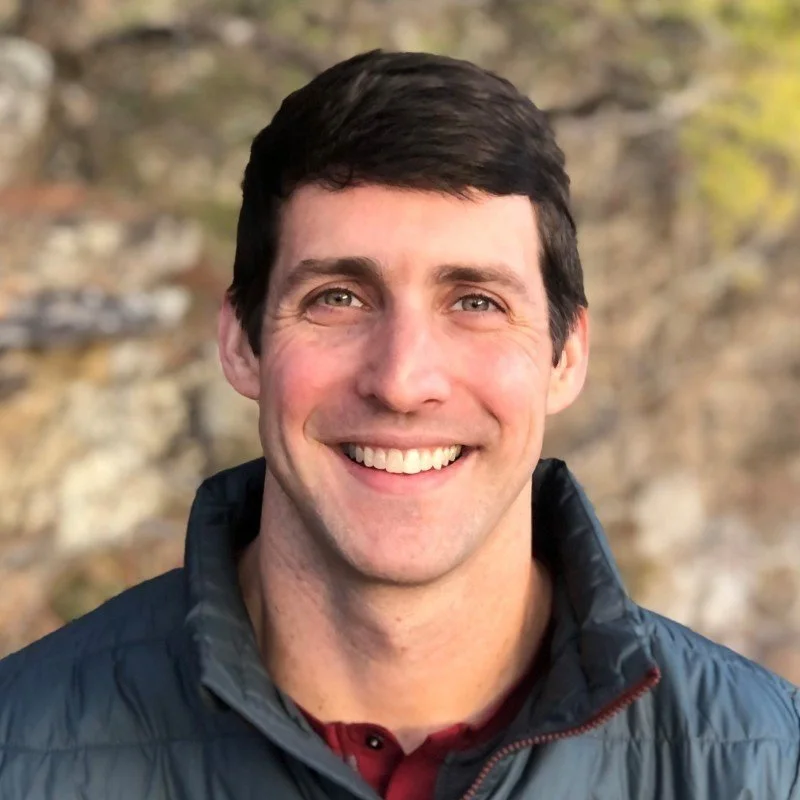
Jason Therrien, DPT, TPS, CHWC, is a holistic physical therapist and health coach who specializes in treating chronic and complex pain conditions. He earned his Doctor of Physical Therapy from the Medical College of Georgia in 2011 and works in the field of pain management using a multidimensional approach that incorporates pain neuroscience education, coaching psychology, and psychologically informed practices. Through his Body Partnership Model—which integrates influences from Internal Family Systems, Somatic Experiencing, and Pain Reprocessing Therapy—Jason empowers patients with the knowledge and tools to more independently manage their pain while restoring function and quality to their lives.

Meet Destiny - The host of The Chronic Illness Therapist Podcast and a licensed mental health therapist in the states of Georgia and Florida. Destiny offers traditional 50-minute therapy sessions as well as therapy intensives and monthly online workshops for the chronic illness community.
Destiny Davis, LPC CRC, is solely responsible for the content of this article. The views expressed herein may or may not necessarily reflect the opinions of Jason Therrien.